

Heating and Water Baths
Infrared Sterilizers
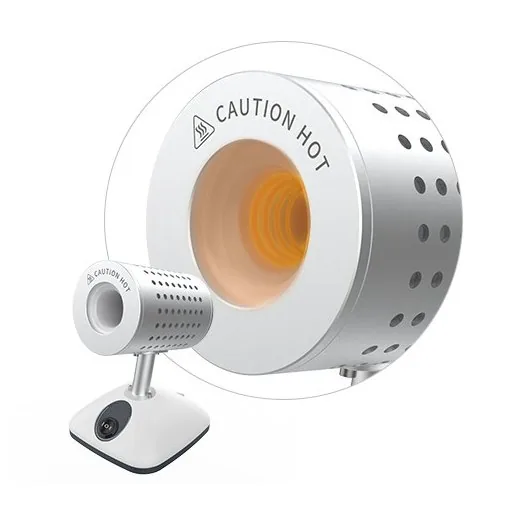
An infrared loop sterilizer sterilizes inoculation loops, forceps and small instruments in microbiology laboratories within seconds, without using an open flame. An electrically heated, enclosed ceramic chamber replaces the Bunsen burner.
Request a quote| Method | Infrared heating |
|---|---|
| Use | Sterilization of loops, forceps and small instruments |
| Time | Within seconds |
| Safety | No open flame or gas cylinder required |
| Number of models | 2 |
Product description
In the classic method, the loop is heated to red heat in the flame of a Bunsen burner. This requires a gas line or cylinder, and using an open flame inside a sterile cabinet is risky. An infrared sterilizer does the same job electrically, inside an enclosed chamber.
The ceramic chamber inside the instrument reaches a high temperature; the loop is inserted into this chamber and is sterilized within seconds. The risk of spattering and contamination is lower than with an open flame.
It is suitable for use inside a laminar flow cabinet and is widely preferred in clinical and microbiology laboratories; an open flame is undesirable because it disrupts the cabinet airflow and damages the HEPA filter.
Infrared loop sterilizer selection criteria
- Chamber opening diameter and depth: must suit the loops and forceps used
- Heat-up time and maximum temperature
- Whether it will be used inside a cabinet: size and heat emission matter
- Durability under continuous use
For work inside a cabinet, this instrument is recommended instead of an open flame. It makes a difference in terms of both safety and filter life.
Correct use
Before the loop is inserted into the chamber, excess sample should be removed from it; large residues cause spattering and build-up in the chamber. The loop should be held still inside the chamber for the duration of sterilization and then allowed to cool.
While the instrument is operating, the chamber opening is at a high temperature and must not be touched. Other heating solutions are in the heating and water baths category.
Maintenance and common mistakes
Residues accumulating on the inner surface of the chamber should be cleaned as recommended by the manufacturer after the instrument has cooled completely. Residue build-up lengthens the heat-up time.
One common mistake is holding the loop or forceps in the chamber for less time than necessary. The recommended time should be observed for sterilization to be complete, and the instrument should not touch the sample before it has cooled.
Model options (2 models)
The models in the catalog and their key technical values are listed below. The full technical table and current pricing are provided in the quotation.
- Infrared loop sterilizer (option 1): 110/220 V, 240 W · core temperature 825 ± 50 °C · standby temperature 400 °C / 850 °C
- Infrared loop sterilizer (option 2): 110/220 V, 150 W · core temperature 825 ± 50 °C · standby temperature 400 °C / 850 °C
Technical assessment
The ceramic chamber can wear over time; spare parts availability is checked before quotation.
The instrument reaches high temperatures. It should not be positioned near flammable materials or alcohol bottles.
Frequently asked questions
What temperature does an infrared sterilizer reach?
For the models in the catalog, the core temperature is specified as 825 ± 50 °C.
Why is this instrument recommended instead of an open flame inside a laminar flow cabinet?
An open flame disrupts the cabinet airflow and can damage the HEPA filter. An infrared sterilizer does the same job inside an enclosed chamber without requiring gas.
Can the ceramic chamber be replaced?
The ceramic chamber can wear over time. Spare parts availability is checked before quotation.
From the same category
Stirring Heating Mantle
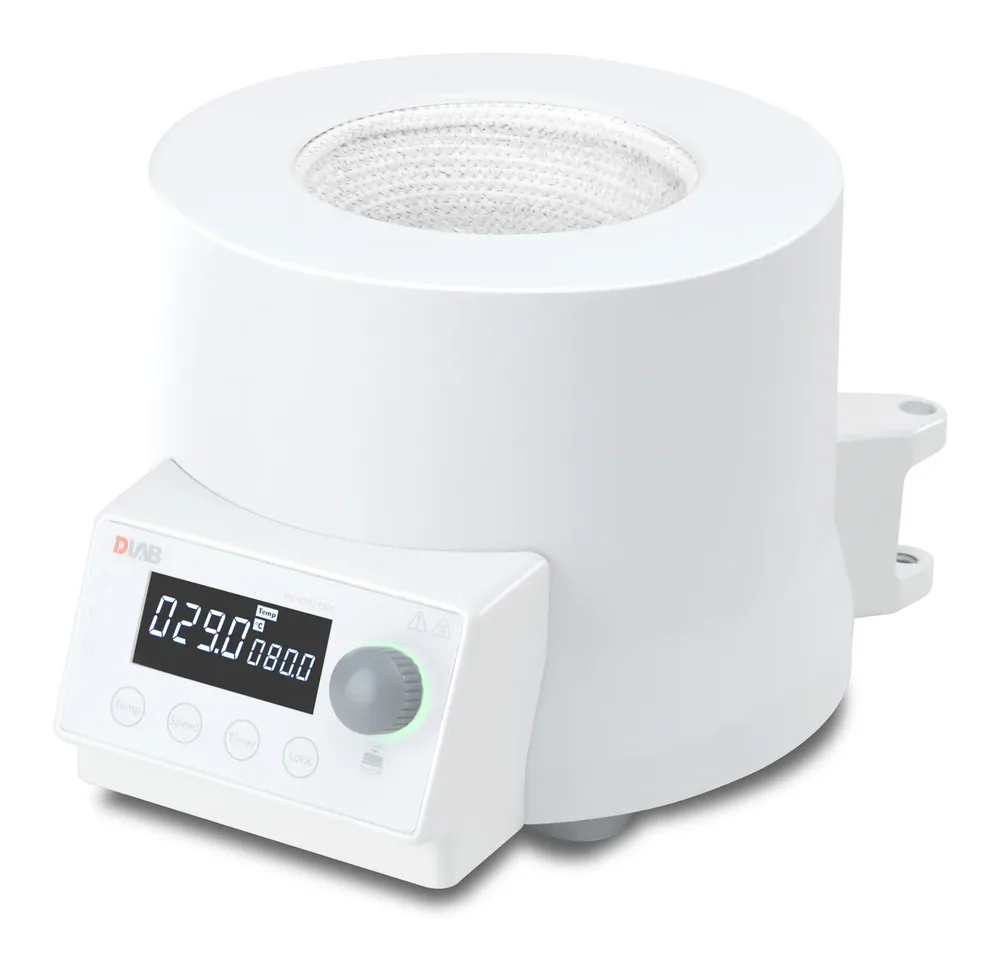
Digital heating mantles with magnetic stirring for 100–2,000 mL flasks, heating up to 280–380 °C.
Water Baths
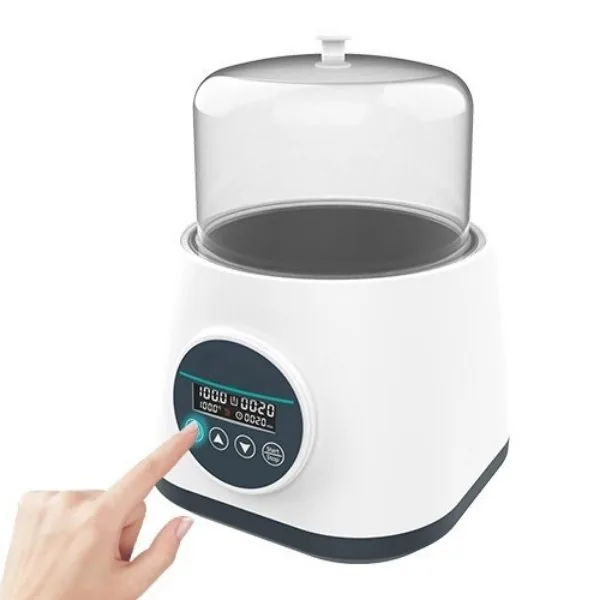
Digitally controlled water baths; single and multi-compartment models.
Ultrasonic Baths
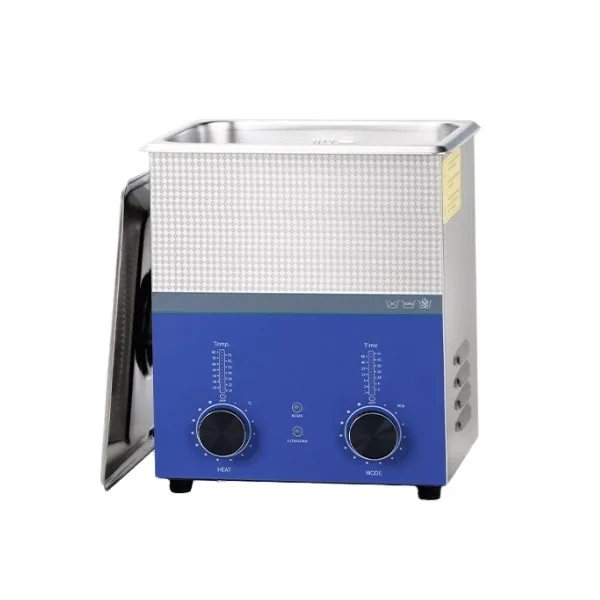
3–15 liter ultrasonic baths for cleaning, degassing and dissolution.
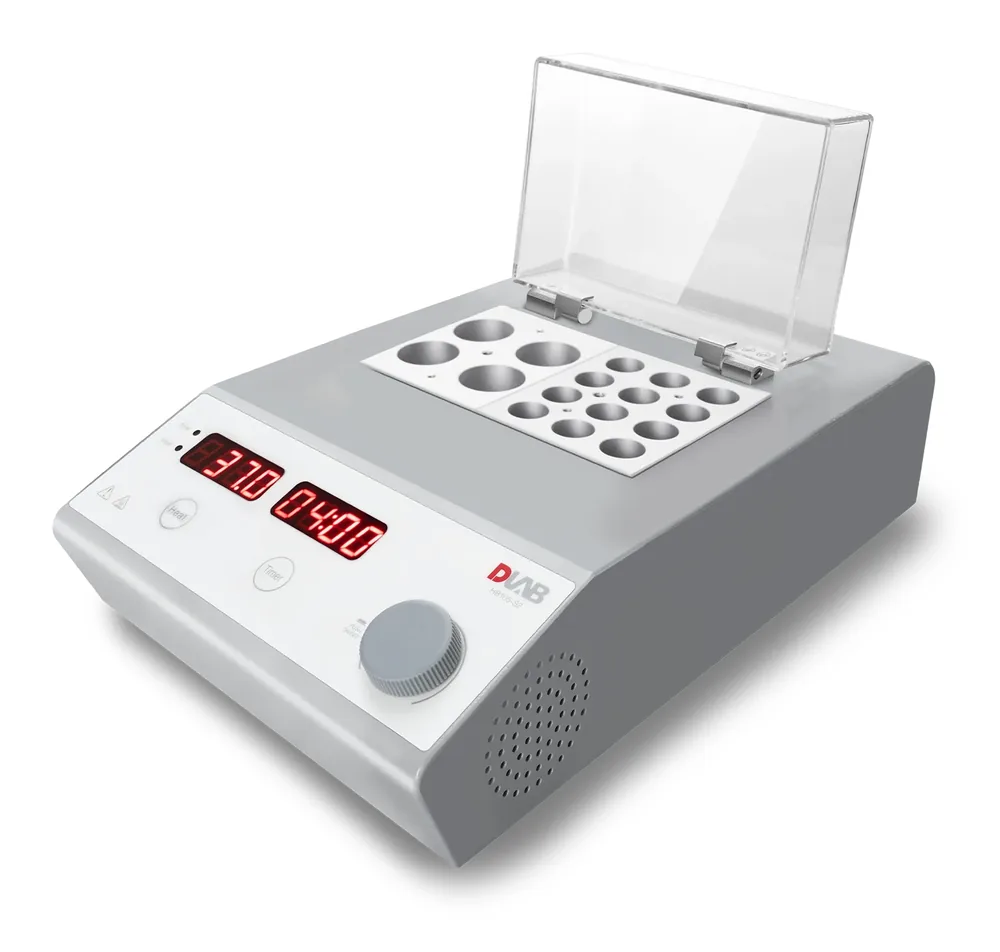
HB Series Dry Block Heater
Single or dual-module dry block heaters with LED display, operating from ambient +5 °C up to 150 °C.
Request a quote for this model
A suitable configuration and pricing are prepared based on sample type and workload.
Request a quote