

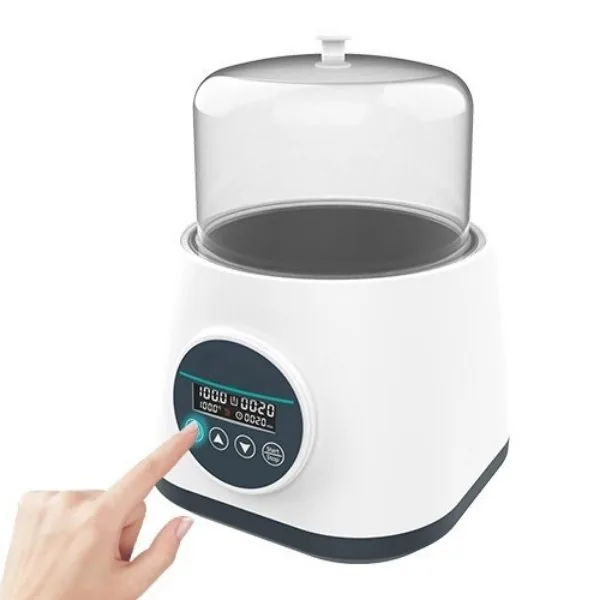
Heating and Water Baths
Water Baths
A laboratory water bath is a digitally controlled heating instrument that keeps samples at a constant temperature in water. With single and multi-compartment models and a stainless steel tank, it is used for incubation, dissolution and sample heating work.
Request a quote| Control | Digital temperature setting |
|---|---|
| Tank | Stainless steel |
| Compartments | Single and multiple options |
| Use | Incubation, dissolution, sample heating |
| Number of models | 5 |
Product description
A water bath heats the sample in water rather than heating it directly. The water distributes heat homogeneously and keeps the temperature constant. It prevents glassware from scorching and the sample from overheating locally.
Enzyme reactions, agar melting, serum thawing, extraction and many standard methods require holding at a specific temperature. A water bath is the simplest and most reliable way to do this.
Digital control maintains the set temperature. In multi-compartment models, each compartment can be used for a separate group of samples.
Laboratory water bath selection criteria
- Volume and how many samples will be placed in it at the same time
- Temperature range and stability (for example ±0.5 °C)
- Lid type: a lid that reduces evaporation is important for long runs
- Whether a shaking model is needed
During long runs, water evaporates and the level drops. Models with a level alarm or dry-run protection should be preferred; the heating element is damaged when the water level falls.
Maintenance and common mistakes
The tank should be drained at regular intervals depending on usage intensity and cleaned with a soft cloth. If it will not be used for a long time, the tank should be dried and stored closed.
The most common mistake is not changing the bath water for weeks. In that case, microbial growth and limescale build-up adversely affect both sample safety and temperature stability.
Model options (5 models)
The models in the catalog and their key technical values are listed below. The full technical table and current pricing are provided in the quotation.
- Water bath (option 1): tank Ø150 × 105 mm · instrument 195 × 190 × 260 mm · from room temperature up to 100 °C
- Water bath (option 2): 300 W · 16 × 16 × 13 cm · 3 L
- Water bath (option 3): 600 W · 30 × 15 × 14 cm · 6 L
- Water bath (option 4): 800 W · 30 × 30 × 14 cm · 12 L
- Water bath (option 5): 1,200 W · 45 × 30 × 13 cm · 18 L
Technical assessment
Limescale and microbial growth occur in bath water. Using Type 2 pure water and cleaning the tank regularly extend instrument life.
Whether accessories such as racks and lids are included is stated clearly in the quotation.
For tube-based incubations, dry block heaters, which heat without water, eliminate evaporation and contamination issues. For glassware cleaning and degassing, ultrasonic baths are used. All options are in the heating and water baths category.
Frequently asked questions
What water should be used in a water bath?
Pure water is recommended to reduce limescale and deposit formation. Tap water leaves limescale on the heating element and tank surface and also degrades temperature stability over time.
What happens if the water level drops?
During long runs, evaporation lowers the level, and the heating element can be damaged if it runs dry. Models with a level alarm or dry-run protection reduce this risk; using a lid also slows evaporation.
When is a dry block heater preferred over a water bath?
For incubations carried out in tubes and molecular biology applications where contamination risk must be kept low, a dry block heater is a cleaner solution.
From the same category
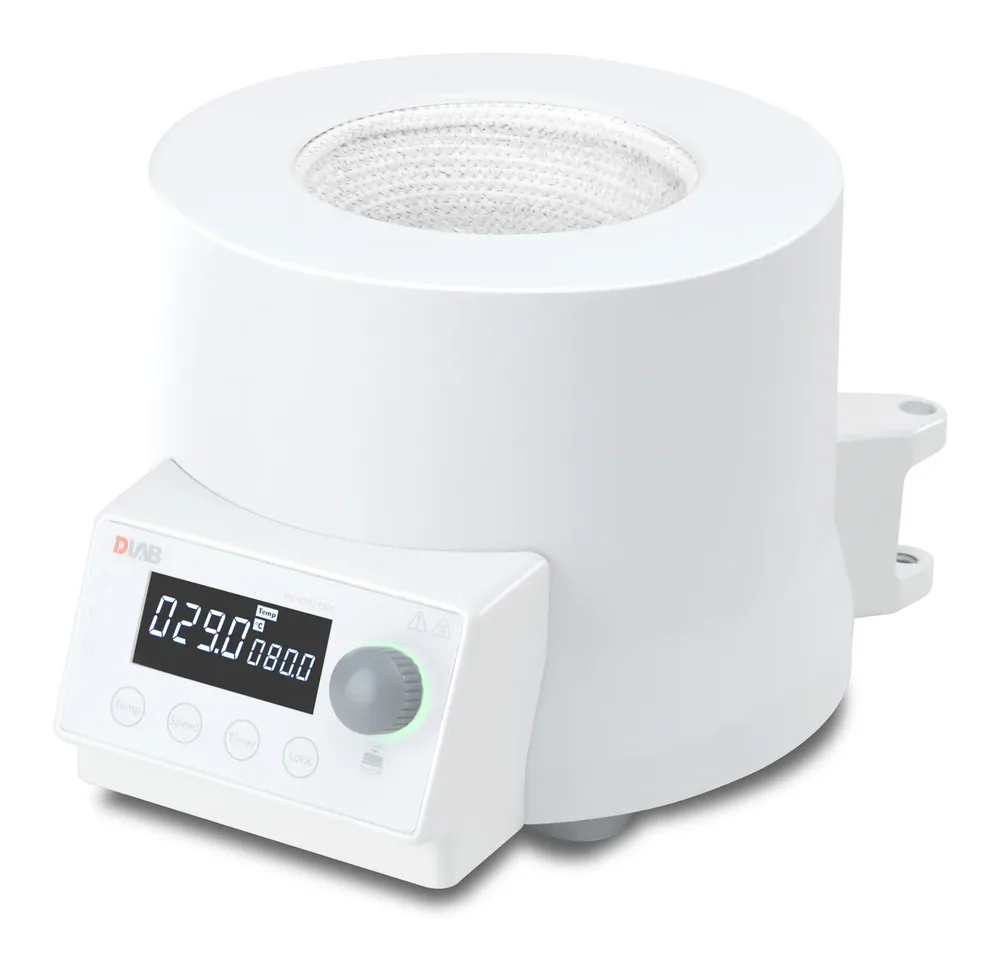
Stirring Heating Mantle
Digital heating mantles with magnetic stirring for 100–2,000 mL flasks, heating up to 280–380 °C.
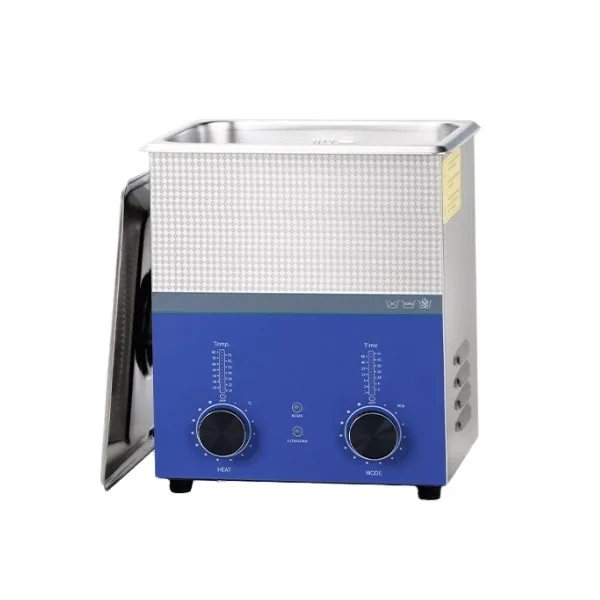
Ultrasonic Baths
3–15 liter ultrasonic baths for cleaning, degassing and dissolution.
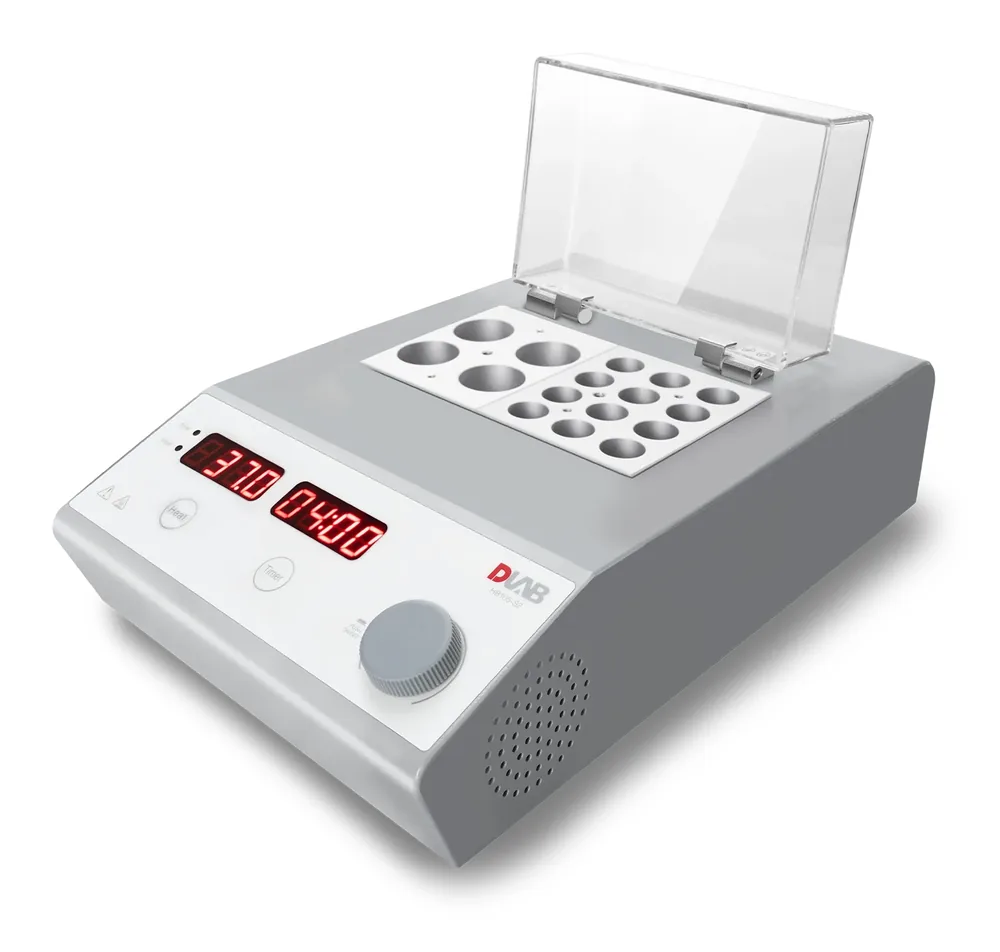
HB Series Dry Block Heater
Single or dual-module dry block heaters with LED display, operating from ambient +5 °C up to 150 °C.
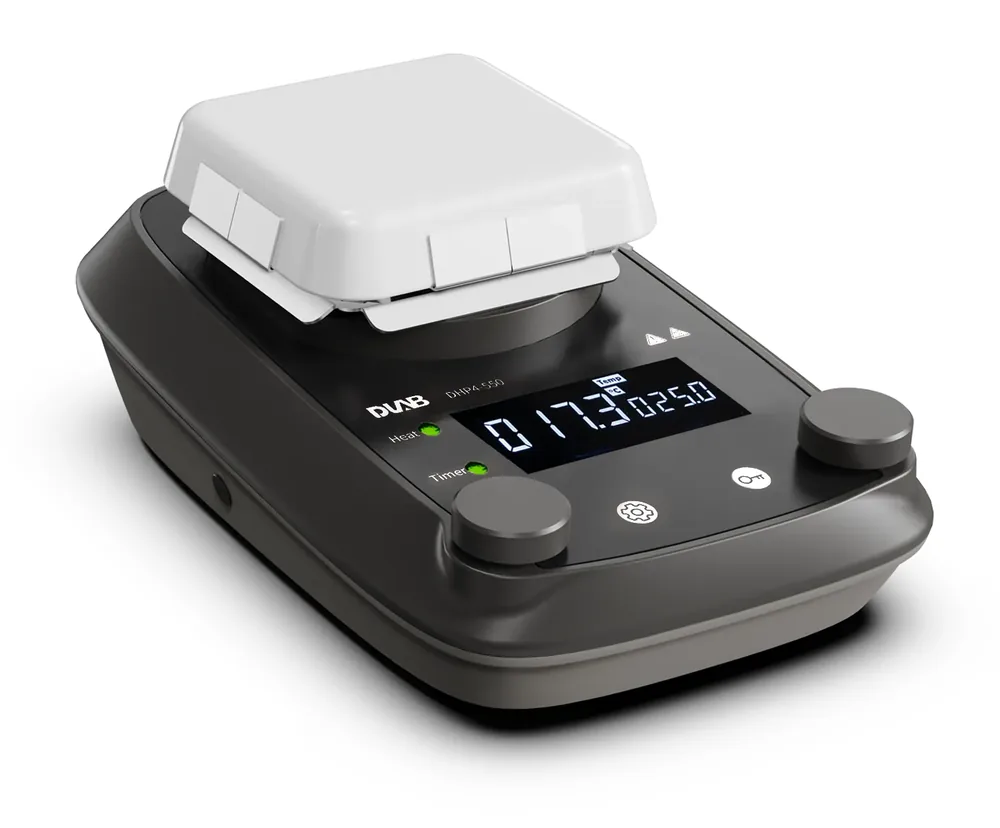
HP and DHP Series Hot Plate
4–10 inch laboratory hot plates with glass ceramic or ceramic-coated aluminum top plates, reaching 380–550 °C.
Request a quote for this model
A suitable configuration and pricing are prepared based on sample type and workload.
Request a quote