

DLAB
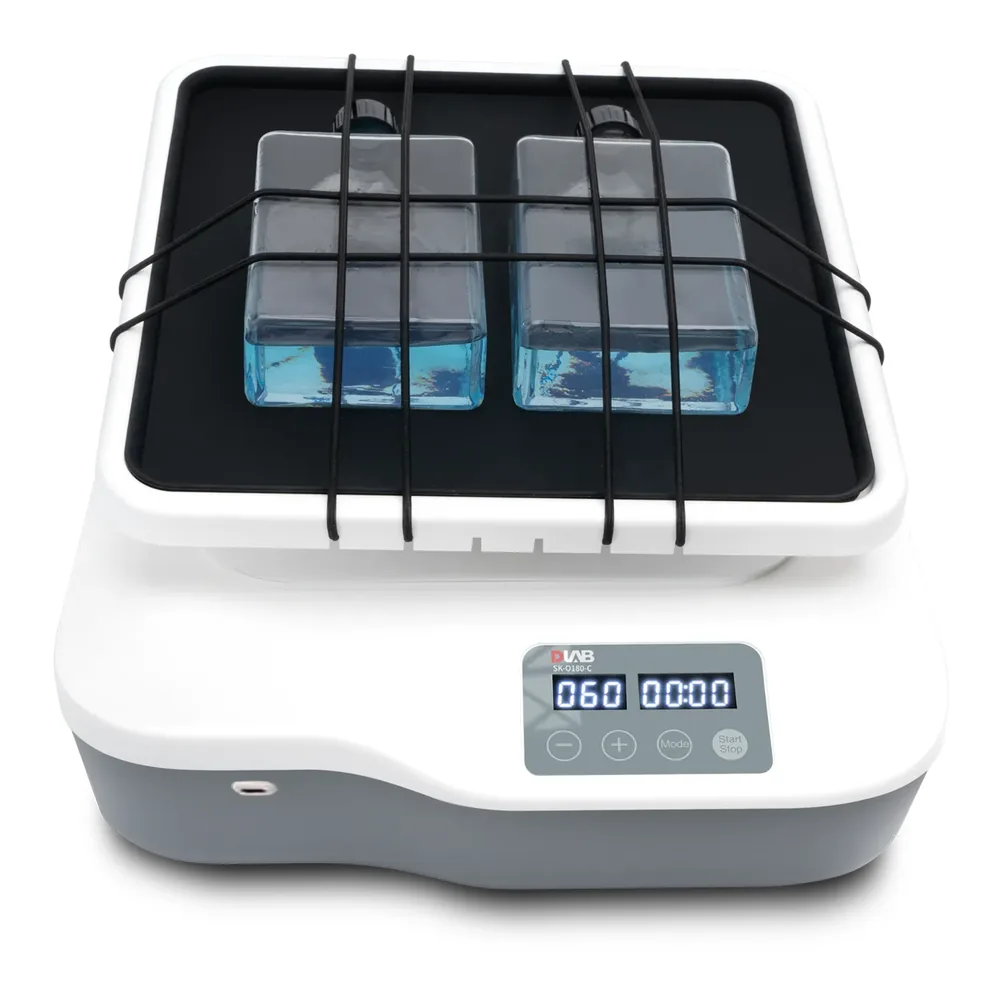
SK-O Orbital Shaker
The SK-O orbital shaker agitates vessels on the platform with a circular motion in the horizontal plane, providing homogeneous mixing for gel staining, culture and dissolution work. The series ranges from the compact SK-O180 models with a 2 kg load to the SK-O330-Pro with a 7.5 kg load, and includes a remote-controlled model.
Request a quote| Speed range | 40–800 rpm (depending on model) |
|---|---|
| Orbit | 4 mm, 10 mm, 20 mm |
| Max. load | 2–7.5 kg (including platform) |
| Timer | 1 min to 99 h 59 min |
| Motor | Brushless DC |
Product description
An orbital shaker moves its platform along a circular orbit in the horizontal plane. This motion keeps the liquid swirling continuously inside the vessel and delivers uniform results in gel staining, destaining, aeration of culture media and dissolution work. All models in the series offer a maintenance-free brushless DC motor, overspeed detection, and continuous or timed operation.
The orbit determines the intensity of the motion: the SK-O180-S and SK-O180-C with a 20 mm orbit provide a wide motion at low speed, while the SK-O180-Pro with a 4 mm orbit performs fast, small-orbit shaking up to 800 rpm. Pro models offer computer control and data logging via an RS232 connection and free software. The SK-O180-C, with its remote control offering a range of more than 10 meters, allows settings to be adjusted without opening the incubator door.
Model comparison
| Model | Speed range | Orbit | Max. load | Display | Connectivity |
|---|---|---|---|---|---|
| SK-O180-S (basic) | 40–200 rpm | 20 mm | 2 kg | LED | - |
| SK-O180-S (multifunctional) | 40–200 rpm | 20 mm | 2 kg | LED | Double-layer plate |
| SK-O180-C | 40–200 rpm | 20 mm | 2 kg | LED | Remote control, Type-C |
| SK-O180-Pro | 100–800 rpm | 4 mm | 2.5 kg | LCD | RS232 |
| SK-O330-M | 70–400 rpm | 10 mm | 3 kg | LCD | - |
| SK-O330-Pro | 100–500 rpm | 10 mm | 7.5 kg | LCD | RS232 |
Applications
- Staining and destaining of protein and nucleic acid gels
- Cell and microorganism culture in Erlenmeyer flasks and culture vessels
- Sample mixing and suspension in microplates
- Dissolution of powder samples and extraction steps
Correct use
Vessels are distributed evenly on the platform using a suitable holder or a non-slip mat; heavy vessels gathered on one side cause the instrument to vibrate. Shaking is started at low speed, and the speed is increased while checking that the liquid does not spill over the vessel rim.
In culture vessels, the closure type affects aeration, so gas-permeable caps should be used. On Pro models, the computer connection allows speed and time to be recorded during long shaking runs. Overspeed detection protects the sample by stopping the instrument if the motor accelerates unexpectedly.
Orbital shaker selection criteria
Load, vessel type and speed are evaluated together during selection. The SK-O180 models with a 20 mm orbit suit Petri dishes and gel trays, while the SK-O180-Pro with a 4 mm orbit suits fast mixing in microplates and small tubes. For several large Erlenmeyer flasks or heavy loads, the SK-O330-Pro with a 320 × 320 mm platform is preferred.
If vessels need to be shaken with a reciprocating linear motion, on a tilting plane or with a three-dimensional motion, the linear, rocking and 3D shaker series should be considered. For fast mixing of tubes, a vortex mixer is more suitable. Other options are in the mixing and shaking category; for gel processing after electrophoresis, see the electrophoresis products.
Technical specifications
| Motion type | Orbital (circular) |
|---|---|
| Speed range | 40–800 rpm depending on model |
| Orbit | 4 mm, 10 mm or 20 mm (depending on model) |
| Max. load (including platform) | 2–7.5 kg depending on model |
| Timer | 1 min to 99 h 59 min |
| Display | LED or LCD (separate speed and time readouts) |
| Data connectivity | RS232 (Pro models) · Type-C (SK-O180-C) |
| Motor | Brushless DC |
| Safety | Overspeed detection and protection |
| Working plate | From 268 × 268 mm to 335 × 335 mm |
| Power | 20–30 W depending on model |
| Power supply | 100–240 V, 50/60 Hz |
| Ambient conditions | 5–40 °C, 80% relative humidity |
Values are taken from the manufacturer's published technical documentation. They may vary by configuration and are confirmed against the current datasheet before quotation.
Frequently asked questions
Why does the orbit matter?
The orbit is the diameter of the platform's circular path. A large orbit provides a wide, gentle motion at low speed; a small orbit provides vigorous, narrow-orbit shaking at high speed. As vessel size increases, a larger orbit becomes more efficient.
Can an orbital shaker be used inside an incubator?
The SK-O180-C remote control is designed to allow settings to be adjusted without opening the incubator door. Ambient conditions must remain within 5–40 °C and 80% relative humidity.
Can the platform be changed for different vessels?
Optional platforms for Erlenmeyer flasks and other common vessels are available for the Pro models. The SK-O180-S multifunctional version comes with a double-layer plate.
From the same category
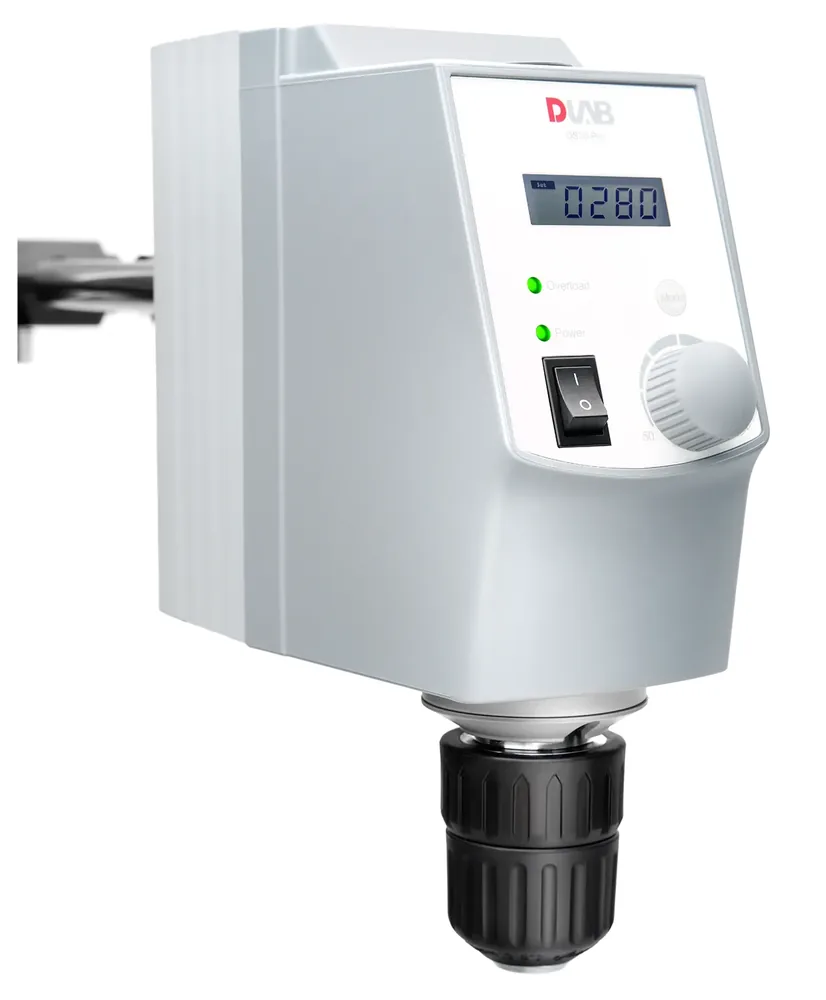
OS Series Mechanical (Overhead) Stirrer
OS series overhead stirrers with brushless motors for water-equivalent volumes of up to 20, 40 and 70 liters.
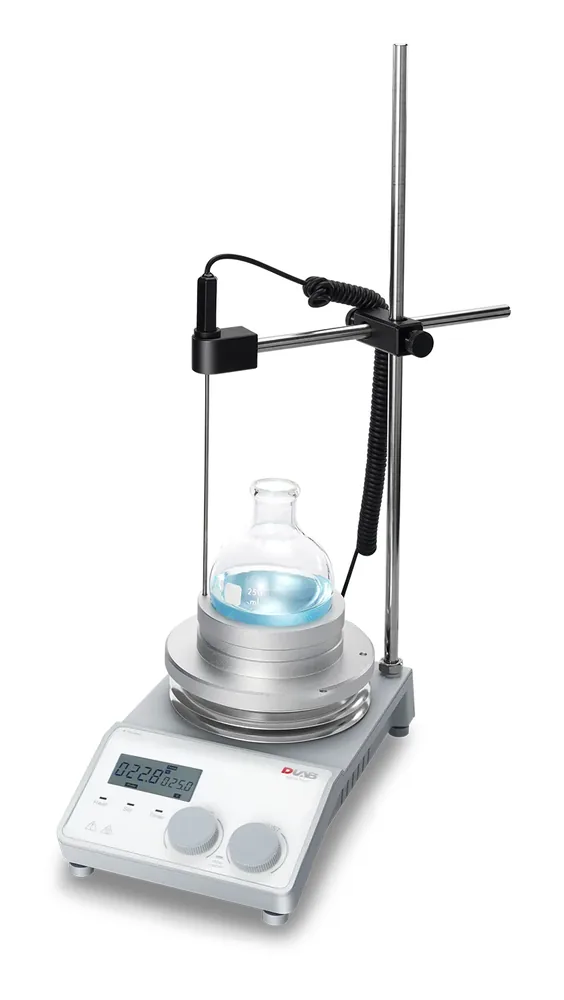
MS-H Series Hotplate Stirrer
MS-H series hotplate stirrers with a 5-inch plate, heating up to 340 °C and stirring up to 20 L of water.
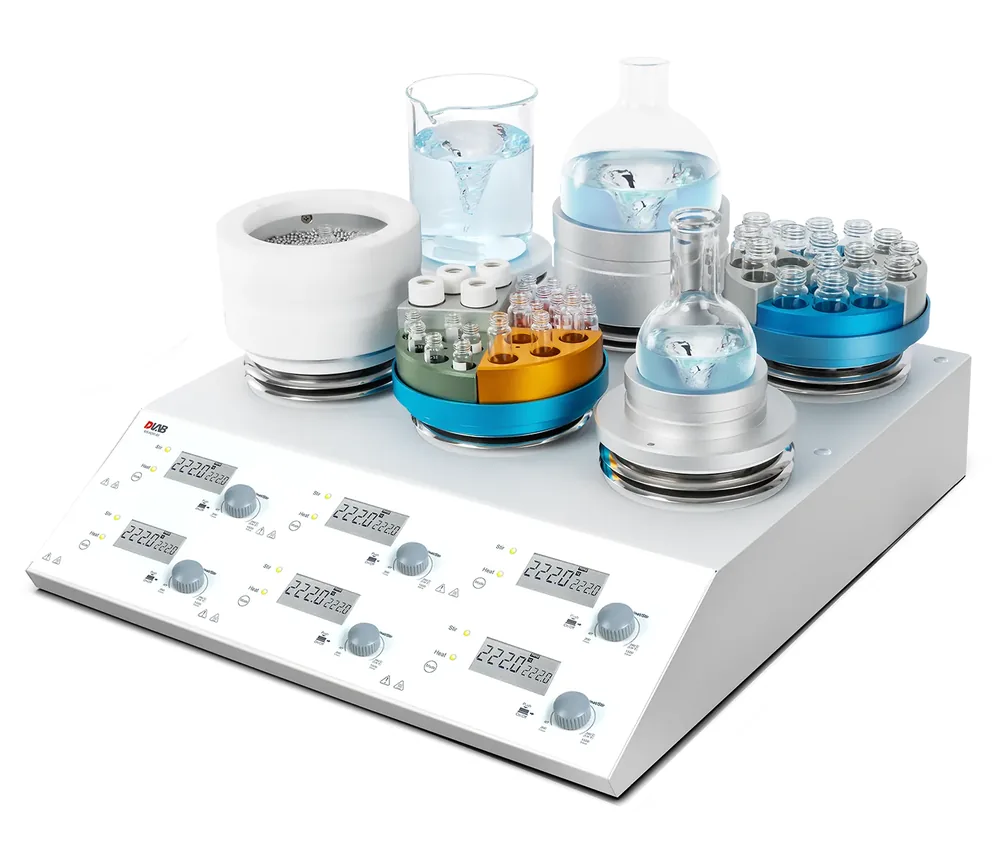
Multi-Position Magnetic Stirrers
Parallel sample preparation with 4-, 6-, 10- and 15-position DLAB magnetic stirrers, with or without heating.
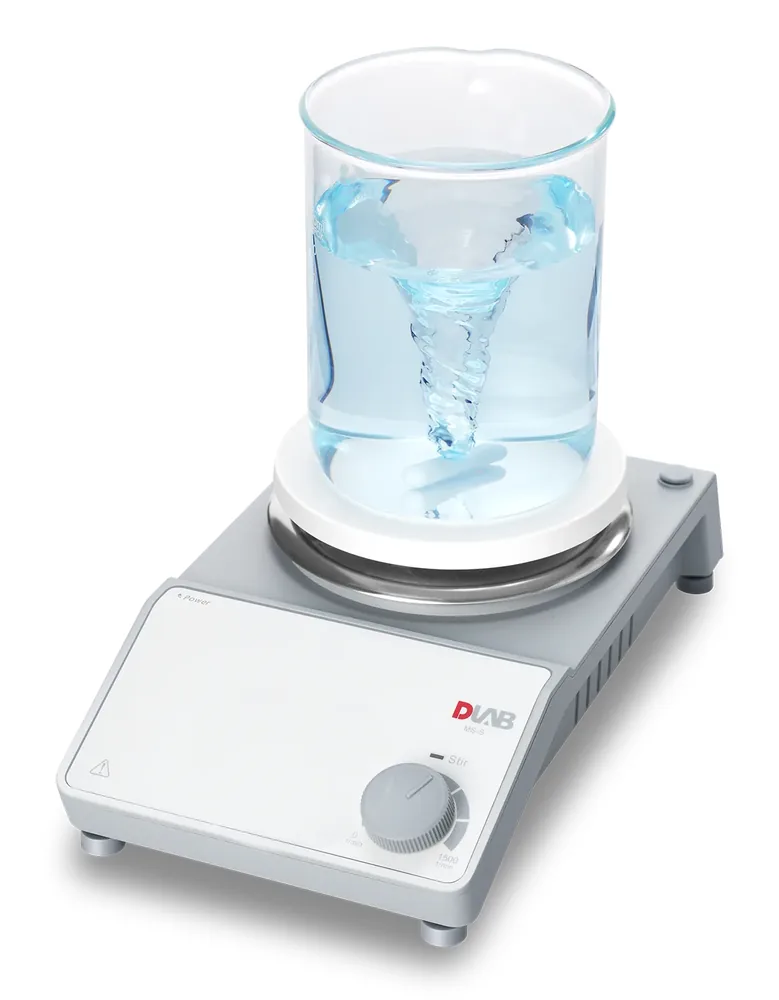
MS, FlatSpin and EcoStir Magnetic Stirrers
Non-heating DLAB magnetic stirrers, from the ultra-slim FlatSpin to the MS7-S with a 7-inch glass-ceramic plate.
Request a quote for this model
A suitable configuration and pricing are prepared based on sample type and workload.
Request a quote