What is gloss and how is it measured?
Gloss is a measure of how much light a surface reflects in the specular (mirror-like) direction. A gloss meter directs light onto the surface at a defined angle and measures the amount of light in the reflection direction of the same angle.
The result is given in gloss units (GU). The scale is calibrated against a polished black glass reference with a defined refractive index. The measurement method is defined in the ASTM D523 and ISO 2813 standards; in the paint and coatings and plastics industries, these two standards are cited together.
GU is not a percentage. Mirrors and metallic surfaces can give values well above 100 GU at 20° geometry.
Why are three different angles used?
A single angle cannot distinguish every surface from matte to mirror with the same sensitivity. Geometries closer to the perpendicular better reveal small differences on glossy surfaces, while more oblique geometries better reveal differences on matte surfaces. For this reason, the standards define three main geometries.
- 60°: The universal angle. Measurement always starts at this angle, and most surfaces are evaluated with it.
- 20°: For high-gloss surfaces. It accentuates differences in automotive paint, polished coatings and glossy plastics.
- 85°: For matte surfaces. It reveals differences at low gloss that 60° cannot distinguish; because of the oblique angle, the measurement area is elongated.
Angle selection in gloss measurement: the general rule
The approach recommended by the standards is simple. The surface is first measured at 60°, and a decision is then made based on the result:
- If the 60° value is between 10 and 70 GU, the result is reported at 60°.
- If the 60° value is above 70 GU, the surface is considered high gloss and is measured at 20°.
- If the 60° value is below 10 GU, the surface is considered matte and is measured at 85°.
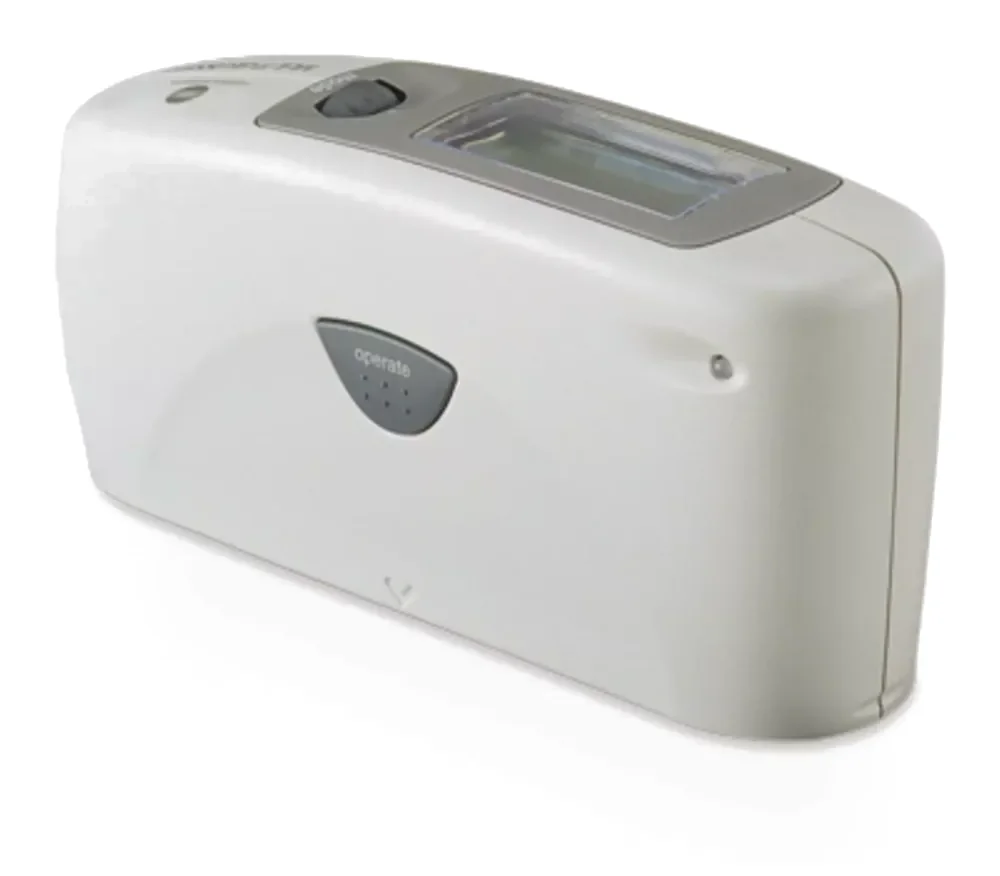
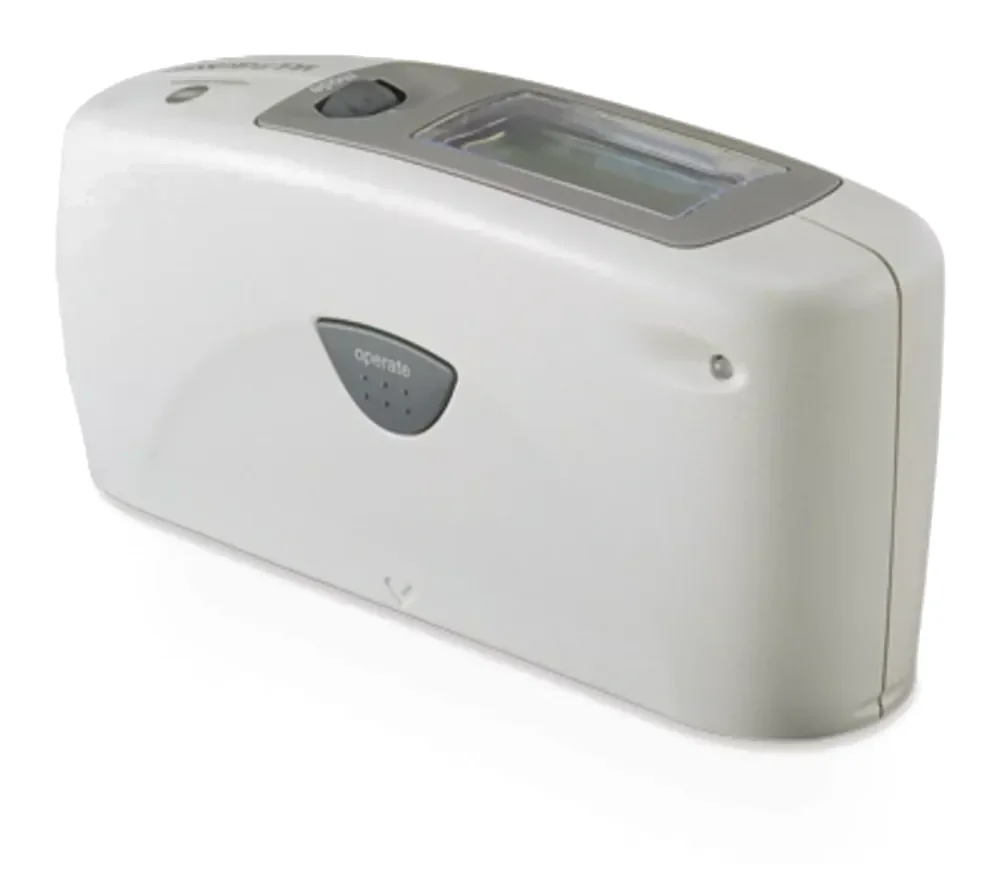
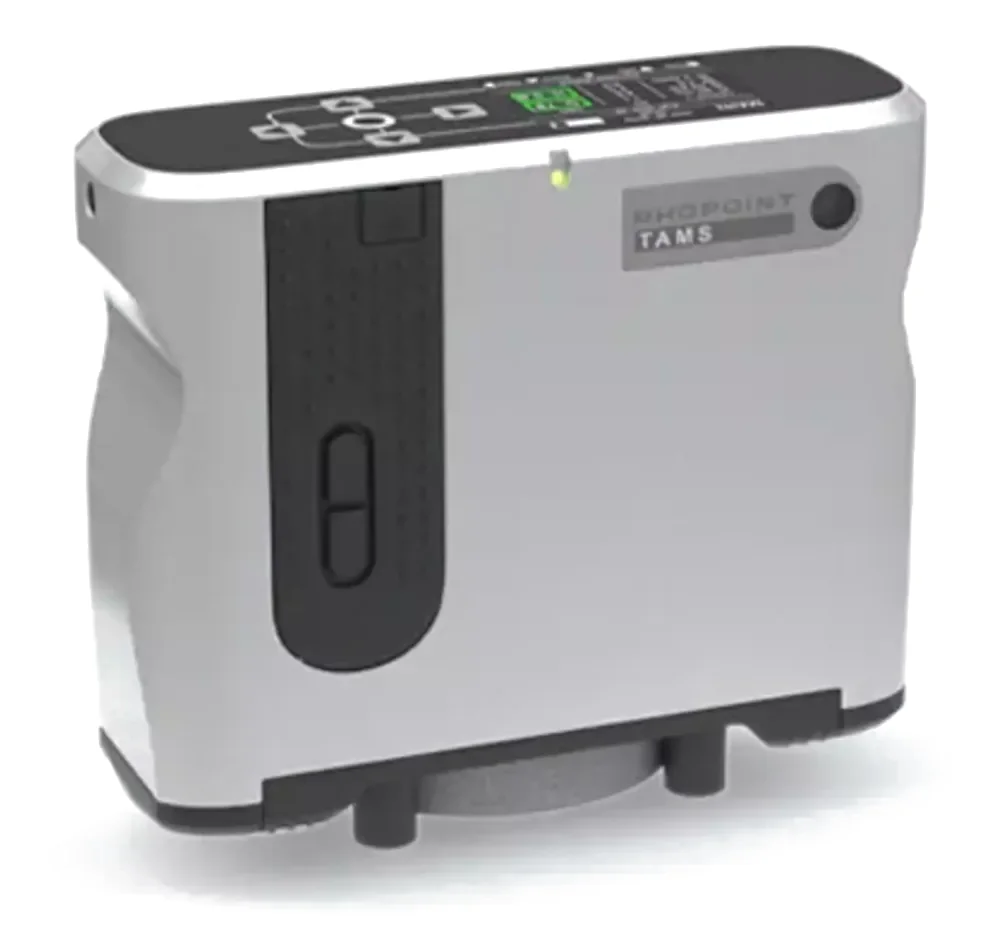
The Multi Gloss 268A three-angle gloss meter, which offers all three angles in a single unit, allows laboratories working with products of different gloss levels to apply this rule with one instrument. If the product range is limited to medium gloss, the Uni Gloss 60A single-angle gloss meter may be sufficient.
If the product specification states which angle to use, the angle in the specification takes precedence over the general rule. Customer and supplier should measure at the same angle.
Very matte and curved surfaces
On very matte surfaces, such as textured automotive interior trim parts, the 60° value remains at a few GU and measurement resolution may be insufficient. For such surfaces, dedicated instruments such as the Novo-Gloss FLEX 60 low-gloss meter, which displays the 0–12.5 GU range with higher resolution, are used.
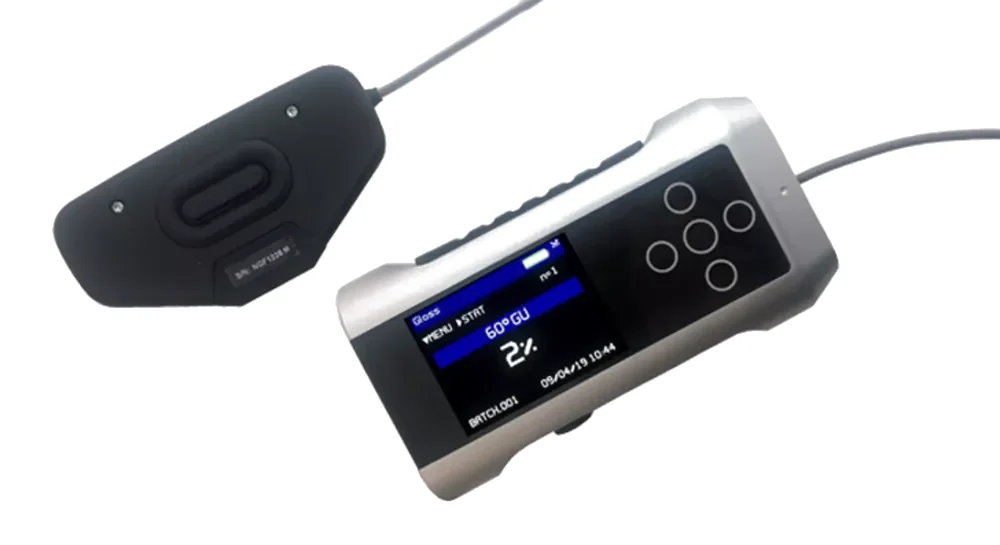
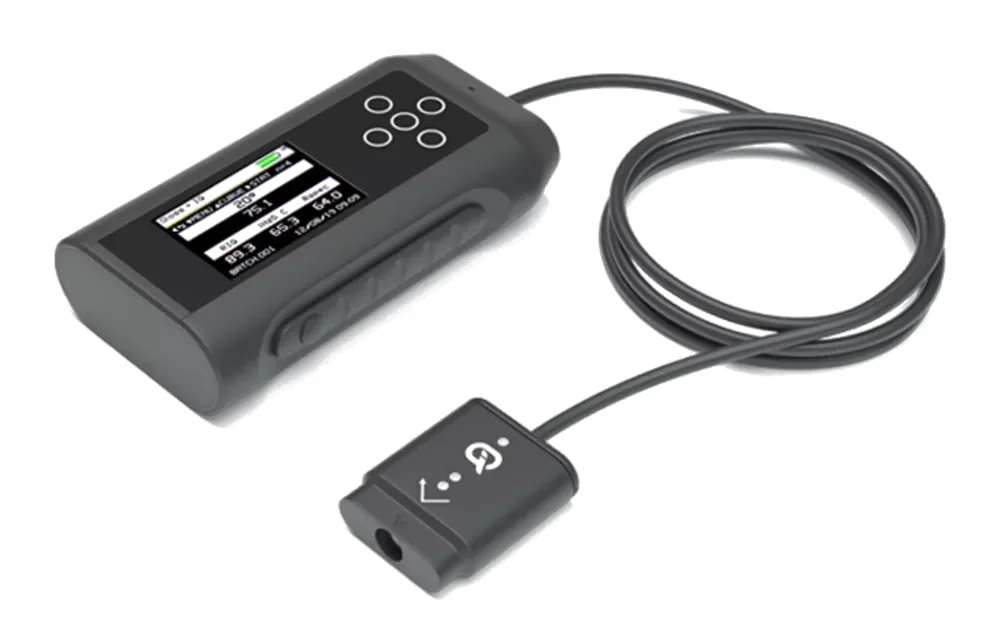
On curved or small parts, the instrument body does not sit flat on the surface; curvature extending beyond the measurement area distorts the result. In this case, the IQ FLEX 20-S gloss meter for curved surfaces, with a cabled measuring head, is preferred.
When gloss alone is not enough: haze and appearance
Two surfaces can give the same 20° gloss value and still look different. The reason is reflection haze: a milky halo forms on the glossy surface and the contrast of the reflected image decreases. Haze measurement is defined in the ASTM E430 standard.
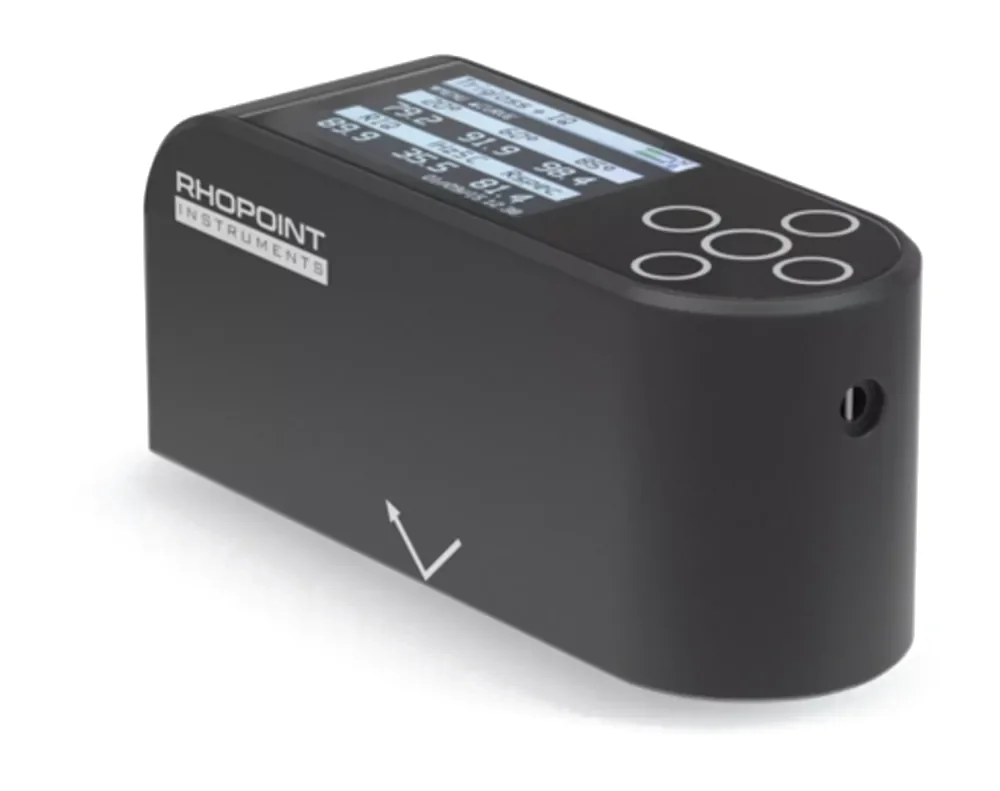
The Rhopoint IQ-S gloss and haze meter, which provides parameters such as haze, distinctness of image (DOI) and reflected image quality (RIQ) together with gloss, makes it easier to find the source of defects in high-gloss paints and coatings. For larger-scale appearance defects such as orange peel and waviness, a surface appearance meter is used.
Factors affecting gloss
Gloss depends on the microscopic roughness of the surface. A smooth surface reflects light in a single direction and looks glossy; a rough surface scatters light and looks matte. This basic principle explains why many production variables affect gloss.
- Formulation: In paint, the pigment and filler ratio and the amount of matting agent directly determine gloss.
- Application and curing: Film thickness, drying temperature and time change surface smoothness.
- Mold surface: In plastic parts, the polish or texture grade of the mold is transferred directly to the part surface.
- Aging: UV, abrasion and chemical exposure cause gloss loss over time; for this reason, gloss is also monitored in durability testing.
The relationship between gloss and color
Gloss and color are measured independently, but they influence each other. Two surfaces, one matte and one glossy, painted with the same pigment appear to the eye in different shades. The glossy surface is perceived as darker and more saturated, the matte surface as lighter. For this reason, some color difference complaints actually stem from a gloss difference.
This relationship requires both measurements to be reported together in quality control. Color values can be taken with a spectrophotometer and gloss values with a gloss meter; integrated instruments that provide both in a single measurement ensure the same measurement spot and time.
Practical recommendations for correct measurement
- Before measurement, the instrument is calibrated with its own reference tile, and the tile is kept clean.
- Measurements are taken at several points on each sample, and the average is reported.
- On surfaces with directional texture, the measurement direction is recorded; the result may change when the instrument is rotated.
- Coatings are measured after full cure; gloss changes during the drying process.
In applications where color and gloss must be reported at the same time, spectrophotometers with an integrated gloss sensor can be used. These options and the differences between color measuring instruments are explained in the spectrophotometer vs colorimeter guide. All gloss meters are listed on the color and gloss measuring instruments page.
How to write a specification
A gloss specification is not just a number but a definition of the measurement conditions. A well-written specification contains the following information:
- Measurement angle (e.g. 60° or 20°)
- Target value and tolerance range (GU)
- Number of measurement points and averaging method
- Curing or conditioning condition of the sample
- Standard to be used (ASTM D523 or ISO 2813)
When this information is shared in writing between supplier and customer, results obtained in different laboratories become comparable and gloss-related disputes decrease.
Frequently asked questions
Is an instrument that measures only at 60° sufficient?
It is sufficient if most products are medium gloss. If both high-gloss and matte products are measured, a three-angle instrument makes it possible to apply the angle selection recommended by the standards with a single instrument.
Do gloss meters from different brands give the same result?
When the same geometry and calibration standard are used, the results are close; however, small differences occur between instruments. For critical specifications, it is recommended that supplier and customer use the same type of instrument and the same calibration.
How often is a gloss meter calibrated?
In daily use, the instrument is checked against its own reference tile before measurement. Periodic calibration of the reference tile and the instrument at an accredited laboratory is planned according to the quality system.
Is gloss measurement sufficient for metallic paints?
Because the color of metallic and effect-pigment paints changes with angle, multi-angle color measurement is required in addition to gloss measurement.