

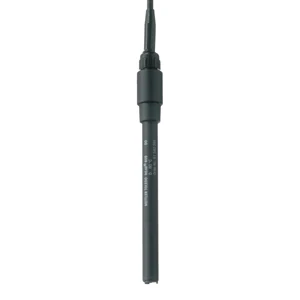
pH and Electrochemistry
Dissolved Oxygen and Temperature Sensors
Dissolved oxygen sensors are available in polarographic and optical designs; certified NTC 30 kΩ and Pt1000 probes are also offered for temperature compensation in pH and conductivity measurement. The measuring range is 0–20 mg/L and the protection rating is IP 67.
Request a quote| Measuring range | 0–200% saturation · 0–20 mg/L |
|---|---|
| Sensor type | Polarographic or optical |
| Operating temperature | 0–60 °C |
| Protection rating | IP 67 |
| Temperature probes | NTC 30 kΩ · Pt1000, certified |
Dissolved oxygen sensor types
Dissolved oxygen is the amount of molecular oxygen present in dissolved form in water. It is one of the key parameters in wastewater treatment, aquaculture, beverage production and environmental water analysis.
Polarographic sensors
Inside a membrane-covered electrochemical cell, oxygen is reduced at the cathode and the resulting current is proportional to the oxygen partial pressure. It is an established, well-known method used across a wide range of applications.
- Measuring range: 0–200% saturation, 0–20 mg/L
- Operating temperature: 0–60 °C, integrated NTC 22 kΩ temperature probe
- Body: PPS, 120 mm shaft length, 12 mm shaft diameter
- Protection rating: IP 67
- Dry storage; the membrane cartridge and electrolyte are consumables
Polarographic sensors require a polarization time before measurement. After the sensor is connected to power, it takes time to stabilize, and this should be taken into account in planning. The sample must also flow past the sensor surface during measurement; readings in stagnant water are low.
Optical sensors
In the optical method, a luminescent dye at the sensor tip is excited by light, and its decay time changes in the presence of oxygen. The measurement does not consume oxygen, so no flow is required and accurate results are obtained in stagnant water as well.
- No electrolyte or membrane replacement required; low maintenance
- No polarization waiting time; measurement starts as soon as the instrument is switched on
- Readings independent of flow rate; an advantage for stagnant samples
- The sensor cap is replaced at defined intervals
- Long cable options for field and tank use
If reducing maintenance and measuring stagnant samples are the priority, an optical sensor is suitable; if keeping the investment cost low is the priority, a polarographic sensor is suitable.
Temperature sensors
Temperature compensation is mandatory in pH and conductivity measurement. If the electrode has no integrated probe, a separate temperature sensor is used.
- NTC 30 kΩ: The type commonly used with pH meters; 316 stainless steel shaft, 120 mm length, 2 mm diameter, 1.2 m cable.
- Pt1000: A platinum resistance sensor with linear behavior over a wider temperature range; certified versions are available.
- Certification: Certified sensors come with a traceable calibration certificate; audited laboratories require this document.
The sensor type is selected according to the input supported by the instrument. A Pt1000 probe cannot be connected to an instrument with an NTC input; instrument compatibility should be verified before ordering.
Applications
- Wastewater treatment: Monitoring the oxygen level in aeration basins; blower control and energy savings.
- Aquaculture: Oxygen monitoring in fish ponds; alerts at critical levels.
- Beverage production: Reducing dissolved oxygen before bottling; shelf-life control.
- Environmental water analysis: Oxygen profiles in lake, river and seawater.
- Fermentation: Monitoring the oxygen transfer rate in bioreactors.
- Boiler water: Verifying deaeration efficiency with regard to corrosion risk.
Calibration and maintenance
Dissolved oxygen sensors are calibrated at a single point using air-saturated water or air. Zero-point calibration is performed with an oxygen-free solution and is required when working in the low-oxygen range.
- Polarographic maintenance: The membrane cartridge and electrolyte are replaced regularly. When the membrane is damaged, readings become unstable and the response slows down.
- Optical maintenance: The sensor cap is replaced after a defined period of use. No interim maintenance is required.
- Pressure effect: The measurement depends on ambient pressure; the barometric pressure value must be set correctly on the instrument.
- Salinity effect: Oxygen solubility decreases in saline water; a salinity correction must be entered.
Annual consumption of membrane cartridges, electrolyte or sensor caps is added to the quotation as a separate line item.
The sensors are used together with benchtop pH and conductivity meter kits; other options are listed under pH and electrochemistry instruments. The measurement methods are defined in ISO 5814 for the electrochemical sensor and ISO 17289 for the optical sensor.
Technical specifications
| Measuring range | 0–200% saturation · 0–20 mg/L |
|---|---|
| Sensor type | Polarographic (membrane) · optical (luminescence) |
| Operating temperature | 0–60 °C |
| Temperature probe (DO) | Integrated NTC 22 kΩ |
| Shaft material | PPS |
| Shaft length | 120 mm |
| Shaft diameter | 12 mm |
| Protection rating | IP 67 |
| Cable | 1.8 m standard; 5 m and 10 m options |
| Storage | Dry storage |
| Temperature sensors | NTC 30 kΩ · Pt1000, certified |
| Temperature sensor body | 316 stainless steel, 120 mm × 2 mm, 1.2 m cable |
Values are taken from the manufacturer's published technical documentation. They may vary by configuration and are confirmed against the current datasheet before quotation.
Frequently asked questions
Should a polarographic or an optical sensor be chosen?
The optical sensor requires no maintenance, has no polarization wait and reads accurately in stagnant samples; its investment cost is higher. The polarographic sensor is more economical, but it requires membrane and electrolyte maintenance and needs sample flow during measurement.
Why are readings low?
With polarographic sensors, the most common cause is insufficient sample flow; oxygen at the sensor surface is consumed and the reading drops. Other causes are a damaged membrane, depleted electrolyte and an incorrectly set barometric pressure value.
Can measurements be made in saline water?
Yes, but a salinity correction must be entered. As salt concentration increases, oxygen solubility decreases; without correction, the percent saturation is calculated incorrectly.
Why is a certified temperature sensor needed?
In audited laboratories, every component of the measurement chain is expected to be traceable. A certified sensor comes with a calibration certificate that documents this traceability.
How is the choice made between NTC and Pt1000?
The choice depends on the input supported by the instrument; the two types are not interchangeable. The input type of the instrument in use should be verified before ordering.
How long does a sensor last?
For optical sensors, the sensor cap is replaced after a certain period depending on usage intensity. For polarographic sensors, the membrane cartridge and electrolyte are renewed more frequently. Annual consumable usage is calculated according to the use scenario.
From the same category
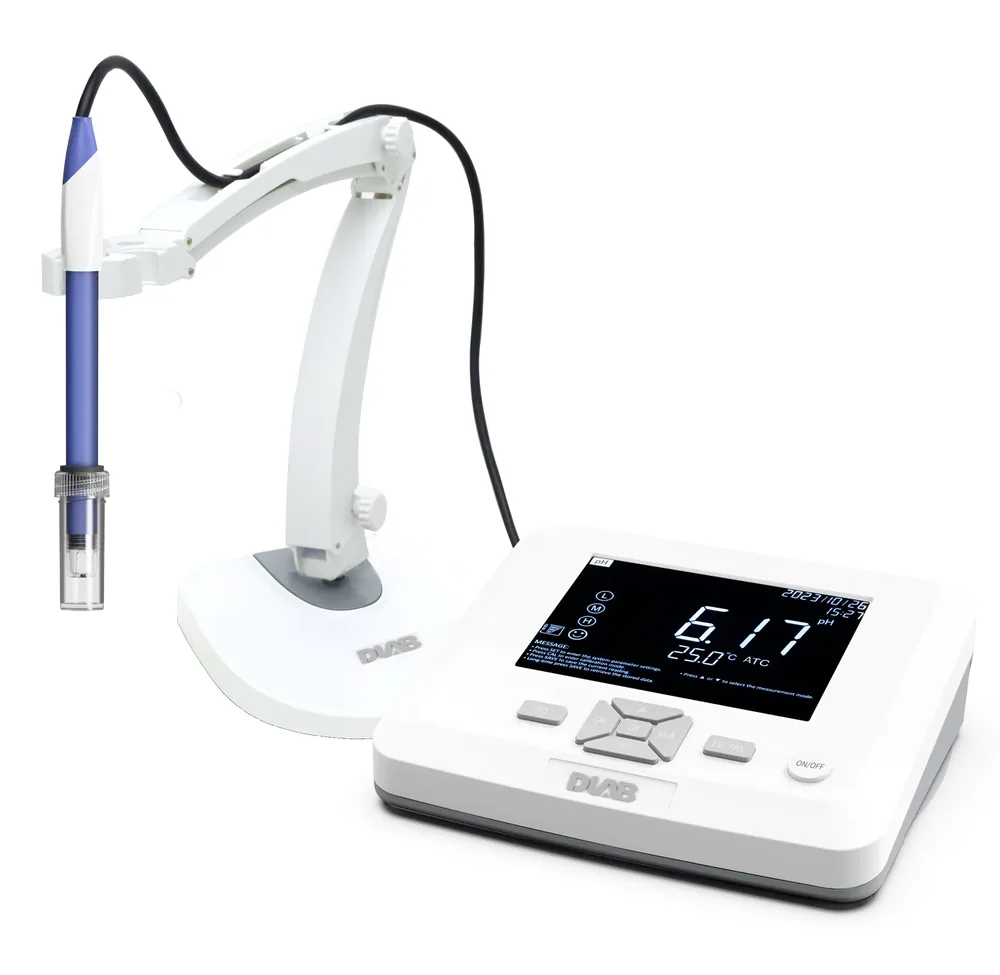
BENCHTOP Single-Parameter Benchtop pH Meter
Classic and touchscreen BENCHTOP meters; single-parameter models for pH, conductivity or dissolved oxygen.
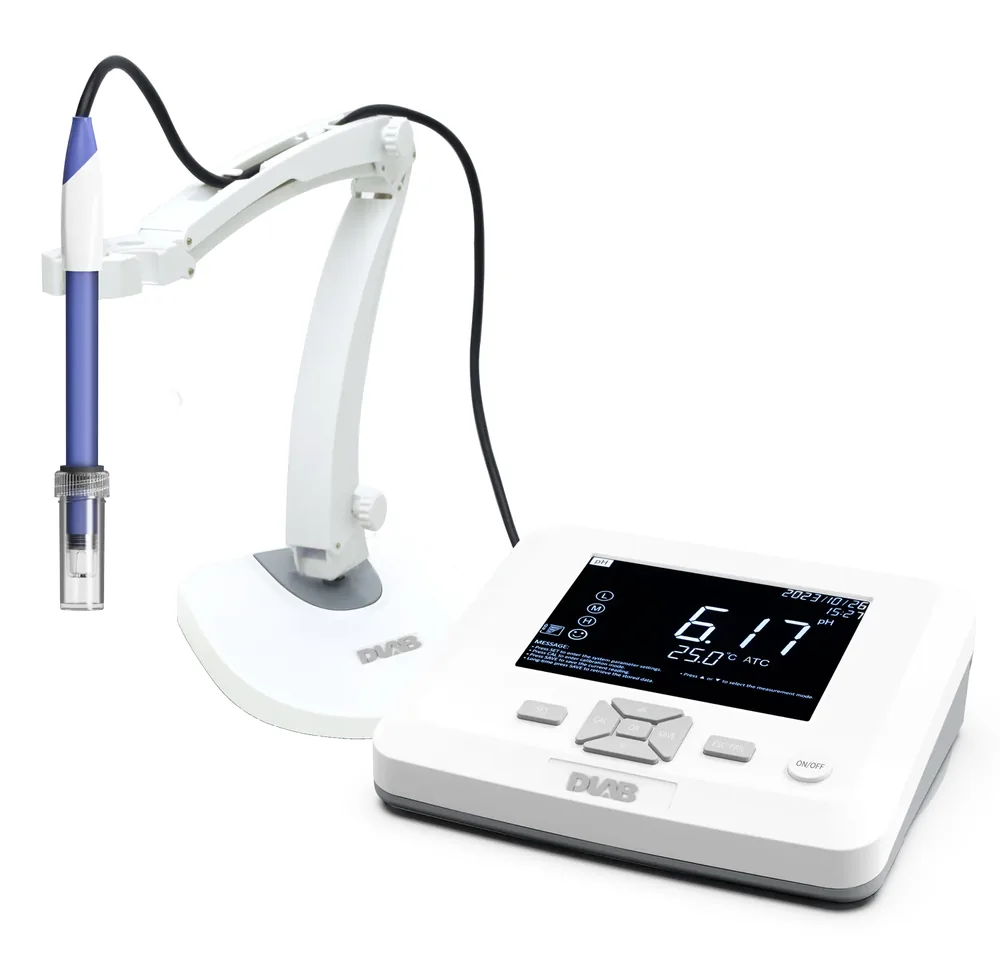
BENCHTOP Multi-Parameter Benchtop Meter
Classic and touchscreen BENCHTOP meters that measure pH, conductivity and dissolved oxygen in a single instrument.
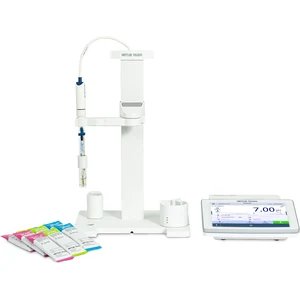
Benchtop Conductivity Meters
Benchtop instruments that measure conductivity, TDS, salinity and resistivity in the laboratory, with cell options suitable for everything from ultrapure water to concentrated solutions.
Reference and ORP Electrodes
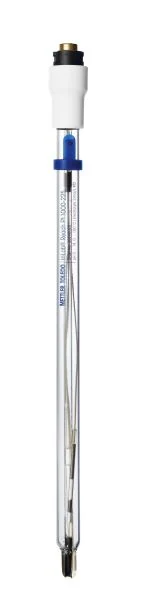
Reference electrodes for half-cell measurements; ORP electrodes with platinum, gold and silver rings.
Request a quote for this model
A suitable configuration and pricing are prepared based on sample type and workload.
Request a quote