

pH and Electrochemistry
Reference and ORP Electrodes
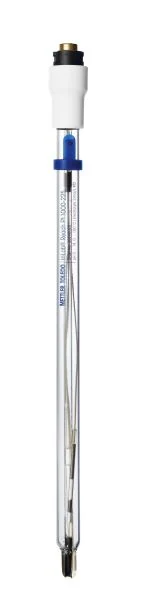
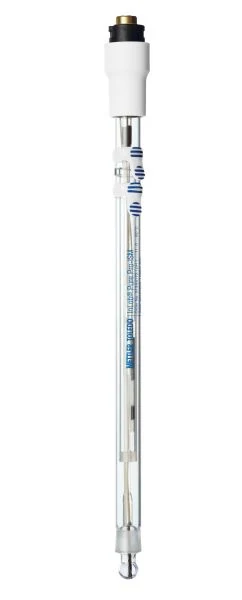
The ORP electrode and reference electrode options address two separate needs: reference electrodes are used together with half-cell pH electrodes, while combination ORP electrodes measure oxidation-reduction potential with a platinum, gold or silver ring. The operating range is 0–130 °C.
Request a quote| Reference electrode | 0–130 °C, triple ceramic junction |
|---|---|
| ORP metal | Platinum, gold or silver ring |
| ORP temperature | 0–100 °C |
| Reference system | With silver ion trap, 3 mol/L KCl |
| Shaft | Glass, 120 mm |
Reference electrodes
pH measurement is based on reading the potential difference between two electrodes. The measuring electrode responds to the hydrogen ion activity of the sample, while the reference electrode provides a constant potential independent of the sample. In combination electrodes, these two parts are combined in a single body.
Half-cell electrodes contain only the measuring side and are used together with a separate reference electrode. This design allows the two parts to be replaced independently. If the measuring membrane is intact but the reference is clogged, only the reference is replaced; in the opposite case, only the measuring electrode is renewed.
The second advantage of the separate design is flexibility. In special applications that require different reference electrolytes or bridge solutions, the reference side can be configured to suit the application.
The reference electrodes operate between 0 °C and 130 °C and are manufactured with a triple ceramic junction. The triple design makes electrolyte flow more controlled and increases measurement stability. Versions fitted to a flow cell are used for continuous in-line measurement.
ORP electrodes
Oxidation-reduction potential expresses the tendency of a solution to donate or accept electrons, in millivolts. Unlike pH, it is not a measure of concentration; it shows whether the solution is oxidizing or reducing.
Metal selection
- Platinum ring: The most common choice. Used for chlorination control, wastewater treatment, drinking water disinfection and general redox measurements.
- Gold ring: Preferred in media where platinum is poisoned. It behaves more stably in solutions containing cyanide and certain sulfur compounds.
- Silver ring: For special applications with samples containing sulfide and mercaptans.
Applications
- Water treatment: Control of chlorine and ozone dosing; monitoring of disinfection efficiency.
- Wastewater: Monitoring of chromium removal, cyanide oxidation and nitrification-denitrification processes.
- Food: Evaluation of antioxidant effectiveness and preservation conditions.
- Chemical processes: End point determination in redox titrations.
- Electroplating: Condition monitoring of bath chemistry.
ORP measurement is not an absolute value; it is read relative to the reference system. ORP values obtained with different reference systems cannot be compared directly; the reference system must be stated in the report.
ORP electrode and reference electrode maintenance
ORP electrodes are of combination design: the metal ring and the reference system are in a single body. The reference electrolyte is 3 mol/L KCl, and the reference system has a silver ion trap.
- Micro versions: ORP electrodes with a slim shaft for small-volume samples.
- Flow cell versions: Continuous in-line measurement.
- Standard versions: Measurement in laboratory beakers and flasks.
Maintenance
The metal ring becomes contaminated over time and the response slows down. Polishing with a mild abrasive or using a suitable cleaning solution restores the response. ORP electrodes should also be kept in storage solution.
Verification is performed with standard solutions of known ORP value. Unlike pH electrodes, ORP electrodes are not calibrated; their performance is verified with a standard solution.
Reference electrodes are used with a half-cell pH electrode, and ORP electrodes with benchtop pH and conductivity meters. Other options are among the pH and electrochemistry instruments.
Technical specifications
| Reference operating temperature | 0–130 °C |
|---|---|
| ORP operating temperature | 0–100 °C |
| ORP metal | Platinum ring · gold ring · silver ring |
| Reference system | With silver ion trap |
| Reference electrolyte | 3 mol/L KCl |
| Junction | Triple ceramic (reference) · ceramic (ORP) |
| Shaft material | Glass |
| Shaft length | 120 mm |
| Shaft diameter | 12 mm (slimmer on micro versions) |
| Versions | Standard, micro, flow cell |
| Storage | Electrode storage solution |
Values are taken from the manufacturer's published technical documentation. They may vary by configuration and are confirmed against the current datasheet before quotation.
Frequently asked questions
When is a half-cell electrode preferred?
It is preferred when the measuring and reference sides need to be replaceable separately, and in applications that require a special reference electrolyte or bridge solution. For routine use, a combination electrode is more practical.
Is an ORP electrode calibrated?
No. ORP electrodes are not calibrated; their performance is verified with standard solutions of known ORP value. If the reading deviates from the expected value, the metal ring is cleaned or the electrode is replaced.
How is the choice made between platinum, gold and silver rings?
Platinum is the general-purpose choice and covers most applications. In media where cyanide and certain sulfur compounds poison platinum, a gold ring is preferred. The silver ring is for special applications with samples containing sulfide and mercaptans.
Why do ORP values differ between instruments?
ORP is read relative to the reference system used. There is a constant offset between values obtained with different reference systems. For results to be comparable, the reference system must be stated in the report.
The ORP electrode response has slowed down; what should be done?
The metal ring may be contaminated. Polishing with a mild abrasive or a suitable cleaning solution restores the response in most cases. If there is no improvement, the reference junction should be checked for clogging.
From the same category
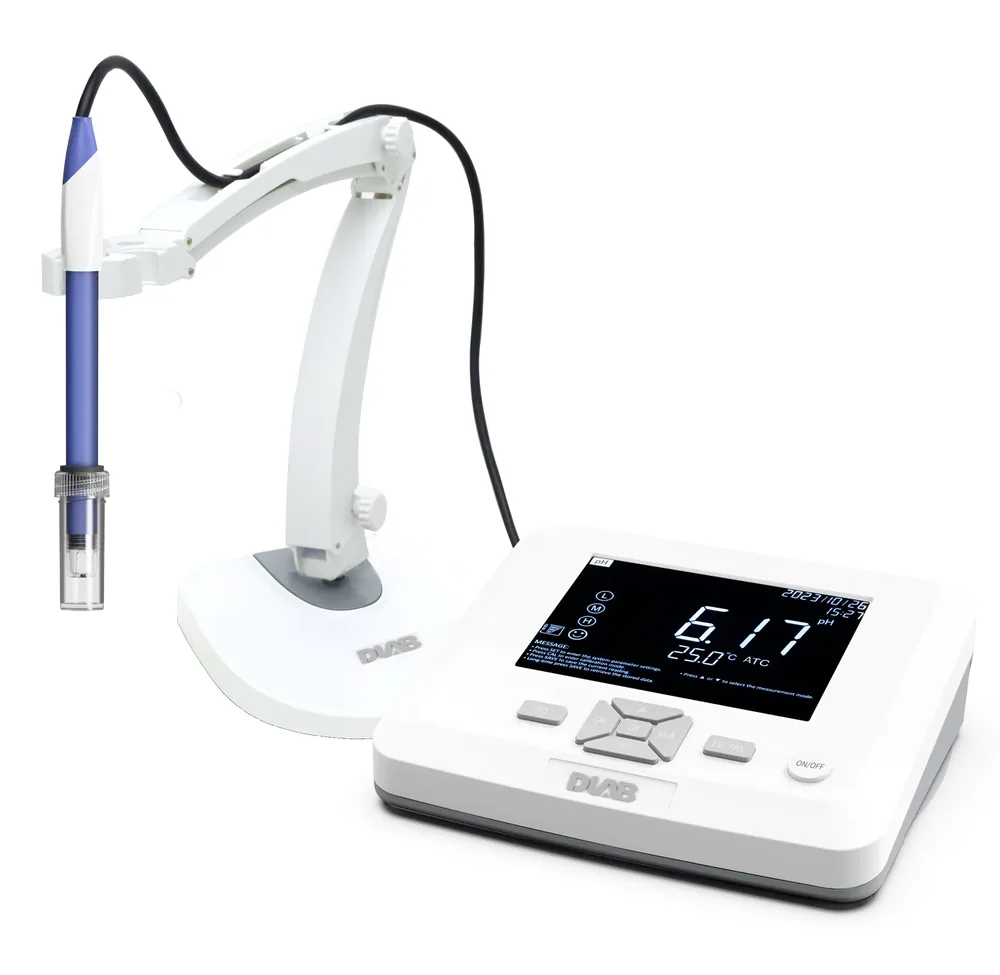
BENCHTOP Single-Parameter Benchtop pH Meter
Classic and touchscreen BENCHTOP meters; single-parameter models for pH, conductivity or dissolved oxygen.
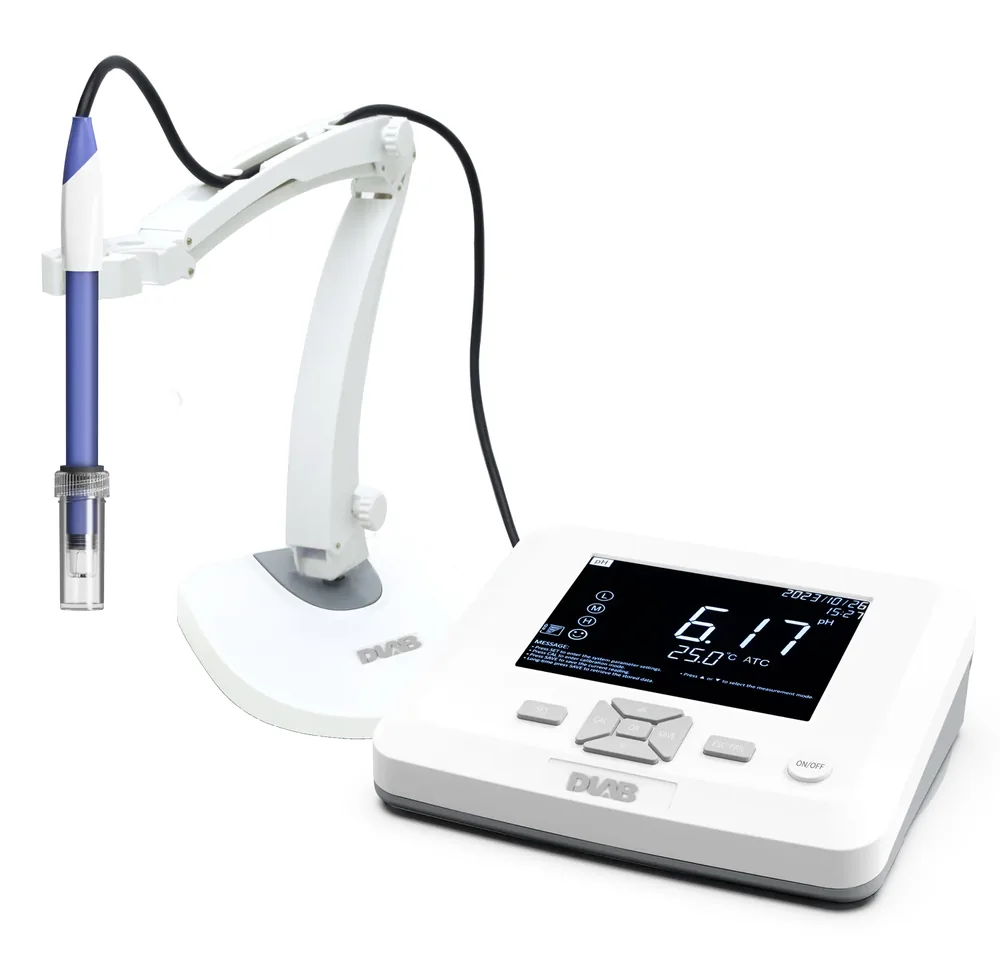
BENCHTOP Multi-Parameter Benchtop Meter
Classic and touchscreen BENCHTOP meters that measure pH, conductivity and dissolved oxygen in a single instrument.
Benchtop Conductivity Meters
Benchtop instruments that measure conductivity, TDS, salinity and resistivity in the laboratory, with cell options suitable for everything from ultrapure water to concentrated solutions.
pH Electrodes
Glass- and plastic-body pH electrodes selected according to sample type; more than 40 models.
Request a quote for this model
A suitable configuration and pricing are prepared based on sample type and workload.
Request a quote