

pH and Electrochemistry
pH Electrodes
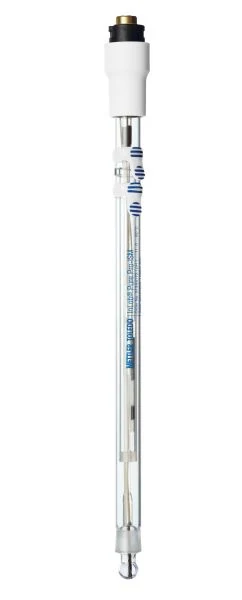
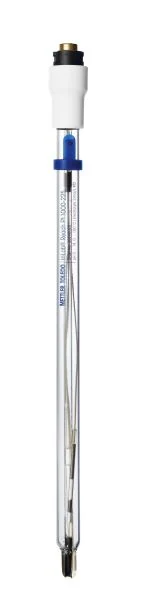
The pH electrode options are designed for different sample types, from pure water to yogurt and from gels to surface measurement. Membrane glass type, junction design, reference system and body geometry are selected according to the application.
Request a quote| pH range | 0–14 (1–11 depending on model) |
|---|---|
| Operating temperature | 0–100 °C (130 °C on some models) |
| Temperature probe | Integrated NTC 30 kΩ or Pt1000 options |
| Shaft | Glass or plastic; 120–425 mm |
| Reference | 3 mol/L KCl, silver ion trap system |
Why electrode selection is critical
In pH measurement, most sources of error come from the electrode rather than the instrument. Two different electrodes connected to the same instrument can give different results on the same sample. Electrode selection is the first decision that determines measurement accuracy.
Four factors determine the selection: membrane glass type, junction design, reference system and body geometry. These are evaluated together with the ionic strength, viscosity, temperature, contaminant content and physical state of the sample.
A general-purpose electrode works well in most aqueous samples. However, under special conditions such as pure water, yogurt, gels, solid surfaces, low-volume samples or high temperature, a general-purpose electrode reads incorrectly, responds slowly or clogs quickly.
pH electrode families by application
General purpose and routine
Electrodes designed for daily measurement in aqueous solutions. They use a ceramic junction, 3 mol/L KCl reference electrolyte and general-purpose membrane glass. They operate in the range of 0–14 pH and 0–100 °C. This group covers most laboratory use.
Pure water and low conductivity
Pure water, deionized water and solutions of low ionic strength are the most challenging samples for pH measurement. Because the ion concentration is low, the reading is unstable and drifts. This group works with low-resistance membrane glass and a ground-glass sleeve junction that provides constant flow; the reading stabilizes quickly.
Contaminating samples with clogging risk
Samples containing proteins, fats, sulfides and heavy metals clog a standard ceramic junction. On electrodes with an openable ground-glass sleeve junction, the junction can be cleaned; electrode life is extended by renewing the electrolyte.
Dairy products and food
Electrodes designed for samples with a high protein load, such as milk, yogurt, cheese and meat. The junction geometry delays clogging; the body withstands immersion and cleaning cycles.
Solid and semi-solid samples
For samples such as cheese, meat, fruit and soil, a membrane with a pointed tip is inserted directly into the sample. There is no need to prepare a separate solution; the measurement is made within the sample itself.
Viscous products and emulsions
For creams, pastes, jams and emulsion-type products, a junction design that allows free flow is used. At high viscosity, interruption of reference electrolyte flow causes measurement drift; this design reduces that risk.
Surface measurement
Flat-membrane electrodes measure on surfaces such as paper, leather, textiles and skin. The measurement is taken with a few drops on the surface, without converting the sample into liquid form.
Micro and ultra-micro volume
Slim-shaft electrodes that measure inside NMR tubes, microplate wells and capillary tubes. The sample volume is in the microliter range. They are used in synthesis and biotechnology laboratories for samples obtained in small quantities.
High alkalinity and special chemical media
Above pH 12, standard electrodes read low due to the alkaline error. High-alkali membrane glass reduces this error. Samples containing hydrofluoric acid etch the glass membrane; a special membrane material is used for this medium.
Long-shaft and flow cell
Shaft lengths of 225 mm and 425 mm are available for measurement in deep vessels, reactors and fermenters. Electrodes fitted to a flow cell perform continuous in-line measurement; the flow tube is supplied as a separate accessory.
Once the sample type, pH range, operating temperature and sample volume are provided, the appropriate electrode is determined. Choosing the wrong electrode produces a much larger error than instrument accuracy.
Technical specifications and options
Membrane glass
Different types are available: general-purpose glass, low-resistance glass and high-alkali glass. Membrane resistance ranges from 50 MΩ to 600 MΩ. Low-resistance glass responds faster at low temperature and in pure water.
Junction type
- Ceramic junction: General purpose; economical and durable, but clogs with contaminating samples.
- Triple ceramic: More controlled flow of the reference electrolyte; high measurement stability.
- Ground-glass sleeve junction: Cleanable and openable; longer life with contaminating samples.
- Open junction: Prevents flow interruption in viscous and emulsion products.
Reference system
The silver ion trap reference system prevents silver ions from reaching the junction. In samples containing sulfides and proteins, silver precipitation clogs the junction; the trap system significantly delays this clogging. The reference electrolyte is 3 mol/L KCl; some models have a 1 mol/L KCl bridge electrolyte.
Temperature probe
Electrodes are offered with an integrated temperature probe or without a probe. The integrated probe makes a separate temperature sensor unnecessary and reads the temperature at the point of measurement. NTC 30 kΩ and Pt1000 options are available; the type supported by the instrument should be selected.
Body material and connection
The shaft is glass or plastic. A glass shaft has high chemical resistance; a plastic shaft reduces the risk of breakage and is preferred for field use. Shaft length ranges from 120 mm to 425 mm and shaft diameter from 3 mm to 12 mm. The connection type can be a standard connector or a multi-pin smart connector.
Maintenance and service life
A pH electrode is a consumable. With proper maintenance its life is extended, but it is not unlimited. In typical use, it ranges from one to two years.
- Storage: The electrode is kept in the storage solution specified by the manufacturer. Storing it in pure water dilutes the reference electrolyte and quickly degrades the electrode.
- Cleaning: A cleaning solution is used according to sample type. Pepsin-HCl for proteins, an organic solvent for fats and thiourea solution for heavy metals are typical options.
- Electrolyte renewal: On refillable electrodes, the reference electrolyte is renewed regularly.
- Slope monitoring: When the slope value read during calibration falls below 95%, electrode replacement should be planned.
- Drying out: Drying out damages the membrane. A dried-out electrode can partially recover when kept in storage solution, but its performance does not return to its original level.
Annual consumption of electrodes, storage solution, cleaning solution and buffers is added to the quotation as a separate line item. In most laboratories, electrode consumables are a larger cost item than the instrument investment.
The electrodes are used with the benchtop pH meter and the benchtop pH and conductivity meter kits; for ORP and half-cell measurements, ORP electrodes and reference electrodes are offered separately. The method for determining pH in water samples is defined in ISO 10523.
Technical specifications
| pH range | 0–14 (1–11 on pure water models) |
|---|---|
| Operating temperature | 0–100 °C; up to 130 °C for reference electrodes |
| Membrane resistance (25 °C) | 50 MΩ–600 MΩ (depending on glass type) |
| Membrane glass | General purpose, low resistance, high alkali |
| Junction | Ceramic, triple ceramic, ground-glass sleeve, open |
| Reference system | With silver ion trap |
| Reference electrolyte | 3 mol/L KCl (gel or liquid) |
| Bridge electrolyte | 1 mol/L KCl (on relevant models) |
| Temperature probe | None · NTC 30 kΩ · Pt1000 |
| Shaft material | Glass or plastic |
| Shaft length | 120–425 mm |
| Shaft diameter | 3–12 mm |
| Connection | Standard connector or multi-pin smart connector |
| Storage | Electrode storage solution |
Values are taken from the manufacturer's published technical documentation. They may vary by configuration and are confirmed against the current datasheet before quotation.
Frequently asked questions
Which electrode should be selected?
The selection is made according to sample type. For aqueous solutions, a general-purpose electrode is sufficient. Separate designs are available for pure water, dairy products, solid samples, viscous products, surfaces, micro volumes and highly alkaline media. Information on sample type, pH range, temperature and sample volume is sufficient.
Why is it difficult to measure the pH of pure water?
In pure water, the ion concentration is very low; the reading remains unstable and drifts. Electrodes designed for pure water work with low-resistance membrane glass and a ground-glass sleeve junction that provides constant flow. In addition, contact of the sample with air must be limited during measurement; dissolved carbon dioxide lowers the pH.
How long does an electrode last?
In typical use, between one and two years. High temperature, extreme pH values and contaminating samples shorten its life. When the slope value read during calibration falls below 95%, replacement should be planned.
How should the electrode be stored?
It should be kept in the storage solution specified by the manufacturer. Storing it in pure water dilutes the reference electrolyte and quickly degrades the electrode. Drying out also damages the membrane; a dried-out electrode does not fully return to its original performance.
Can a clogged junction be cleaned?
On electrodes with a ground-glass sleeve junction, the junction is opened and cleaned and the electrolyte is renewed. On electrodes with a ceramic junction, partial recovery is achieved with cleaning solutions, but in cases of severe clogging the electrode is replaced.
Is an integrated temperature probe necessary?
Temperature measurement is mandatory for temperature compensation. This is provided either by a probe integrated into the electrode or by a separate temperature sensor. The integrated probe reads the temperature at the point of measurement and makes a second probe unnecessary.
Why are readings incorrect at high pH?
Above pH 12, sodium ions interfere with hydrogen ions at the glass membrane and the measurement comes out systematically low. This effect is called the alkaline error. Electrodes with high-alkali membrane glass significantly reduce this error.
From the same category
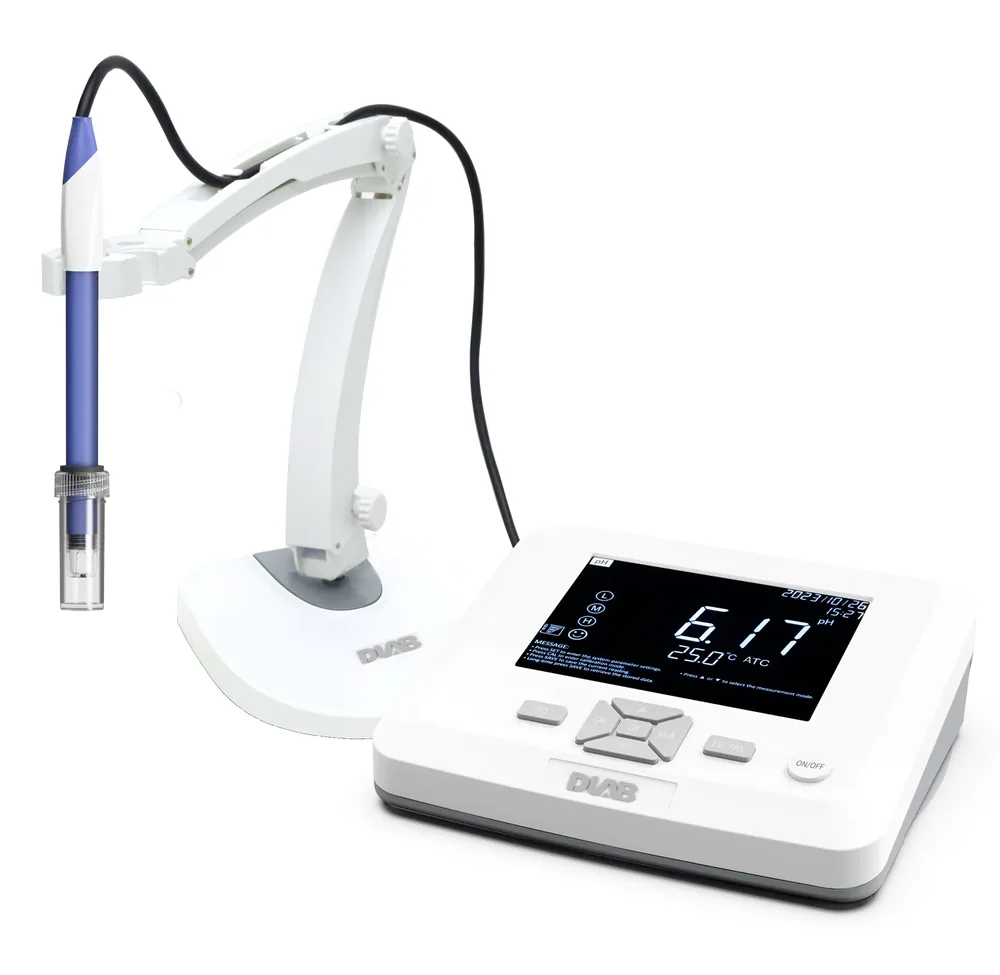
BENCHTOP Single-Parameter Benchtop pH Meter
Classic and touchscreen BENCHTOP meters; single-parameter models for pH, conductivity or dissolved oxygen.
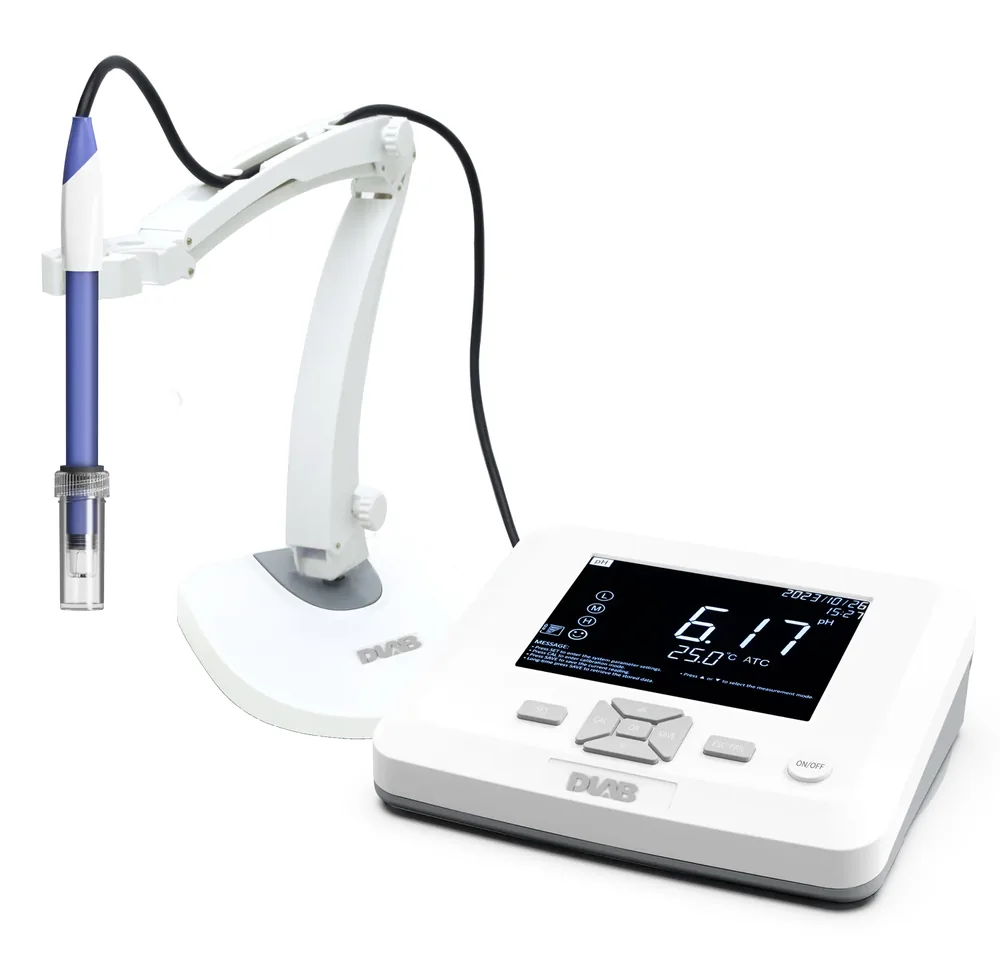
BENCHTOP Multi-Parameter Benchtop Meter
Classic and touchscreen BENCHTOP meters that measure pH, conductivity and dissolved oxygen in a single instrument.
Benchtop Conductivity Meters
Benchtop instruments that measure conductivity, TDS, salinity and resistivity in the laboratory, with cell options suitable for everything from ultrapure water to concentrated solutions.
Reference and ORP Electrodes
Reference electrodes for half-cell measurements; ORP electrodes with platinum, gold and silver rings.
Request a quote for this model
A suitable configuration and pricing are prepared based on sample type and workload.
Request a quote