

Color and Gloss Measurement Instruments
Refractometers
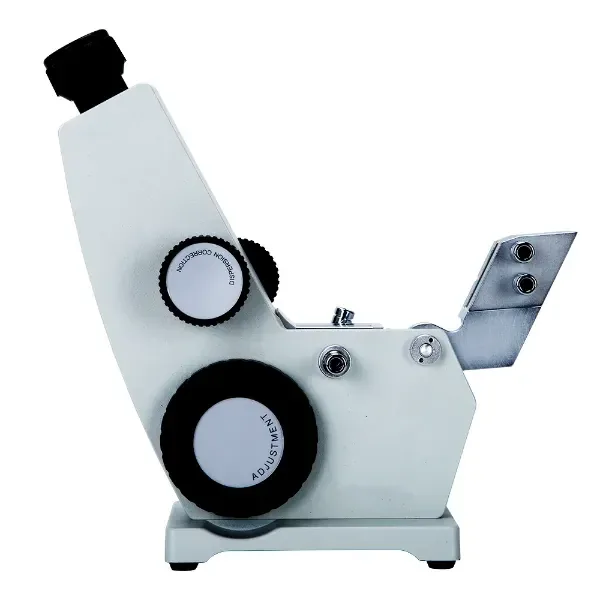
Abbe and handheld refractometers measure refractive index and Brix value with just a few drops of sample. Digital Abbe models are used for laboratory measurement, handheld models for field and production line control.
Request a quote| Measured | Refractive index (nD) and Brix |
|---|---|
| Types | Digital Abbe, handheld |
| Applications | Food, beverage, chemical, petrochemical |
| Temperature | Controlled measurement recommended |
| Sample | A few drops are sufficient |
Product description
A refractometer measures the angle of refraction of light passing through a sample. This angle is directly related to the amount of dissolved substance in the solution. Brix in sugar solutions, purity in oils and concentration in chemicals are determined in this way.
Abbe-type laboratory refractometers provide precise measurement over a wide refractive index range and operate under temperature control. Handheld models are intended for rapid checks on the production line: a few drops of sample, results within seconds.
Measurement is performed with a few drops of sample and the sample is not destroyed. This is a significant advantage for expensive or limited samples.
Applications
- Brix (soluble solids) control of fruit juices, jams, syrups and beverages
- Monitoring purity and concentration of oils and liquid chemicals by refractive index
- Rapid batch control on the production line with a handheld refractometer
- Reference measurement in the laboratory with an Abbe refractometer
The determination of soluble solids in fruit and vegetable products by the refractometric method is defined in the ISO 2173 standard. In food quality control, Brix measurement is usually carried out together with a benchtop pH meter and a halogen moisture analyzer.
Refractometer selection criteria
- Measurement range: Brix, refractive index, or both
- Whether temperature compensation is available; refractive index is highly sensitive to temperature
- Sample volume and viscosity
- Whether results need to be recorded (data output on digital models)
In a measurement without temperature control, a difference of 1 °C shifts the result noticeably. For applications that generate reports, a temperature-controlled model should be preferred.
Abbe, benchtop and handheld model options
The models in the catalog and their key technical values are listed below. The full technical table and current pricing are provided with the quotation.
- Abbe Refractometer: Observation method: Monocular · Measurement range: 1.3000~1.7000 (nD) · Measurement accuracy: ±0.0002 nD
- Benchtop Refractometer: Battery: Rechargeable lithium · Display: Color LCD · Resolution: Brix 0.1% / R.I. ±0.0001
- Handheld Refractometer: Battery: 2 × AAA · Display: LCD · Resolution: Brix 0.1%
Technical evaluation
If the prism surface is scratched, the instrument reaches the end of its service life. A soft cloth and a suitable solvent should be used for cleaning.
Pure water and a certified reference liquid are required for calibration; it is recommended to include them in the initial order.
Before measurement, the prism is zeroed with pure water and the sample is applied in an amount sufficient to cover the prism completely. Air bubbles or dried sample residue prevent the boundary line from being read clearly; for this reason, the prism should be cleaned after every measurement. The basic principle of refractive index measurement is summarized on the measurement technologies page.
Frequently asked questions
What does the Brix value indicate?
Brix expresses the percentage by mass of dissolved solids in an aqueous solution and is defined relative to a sucrose solution. It is used as an indicator of sugar content in sugar-rich products such as fruit juices and syrups; if other dissolved substances are present, the result is considered an approximate value.
Should an Abbe refractometer or a handheld refractometer be chosen?
If high-accuracy measurement over a wide refractive index range is required in the laboratory, an Abbe refractometer is preferred. If Brix is to be checked within a few seconds on the production line or in the field, a handheld model is sufficient.
How does temperature affect the measurement result?
Because refractive index changes with temperature, the same sample gives different values at different temperatures. For this reason, results are usually reported at a reference temperature of 20 °C; temperature compensation or a controlled prism temperature corrects this difference.
From the same category
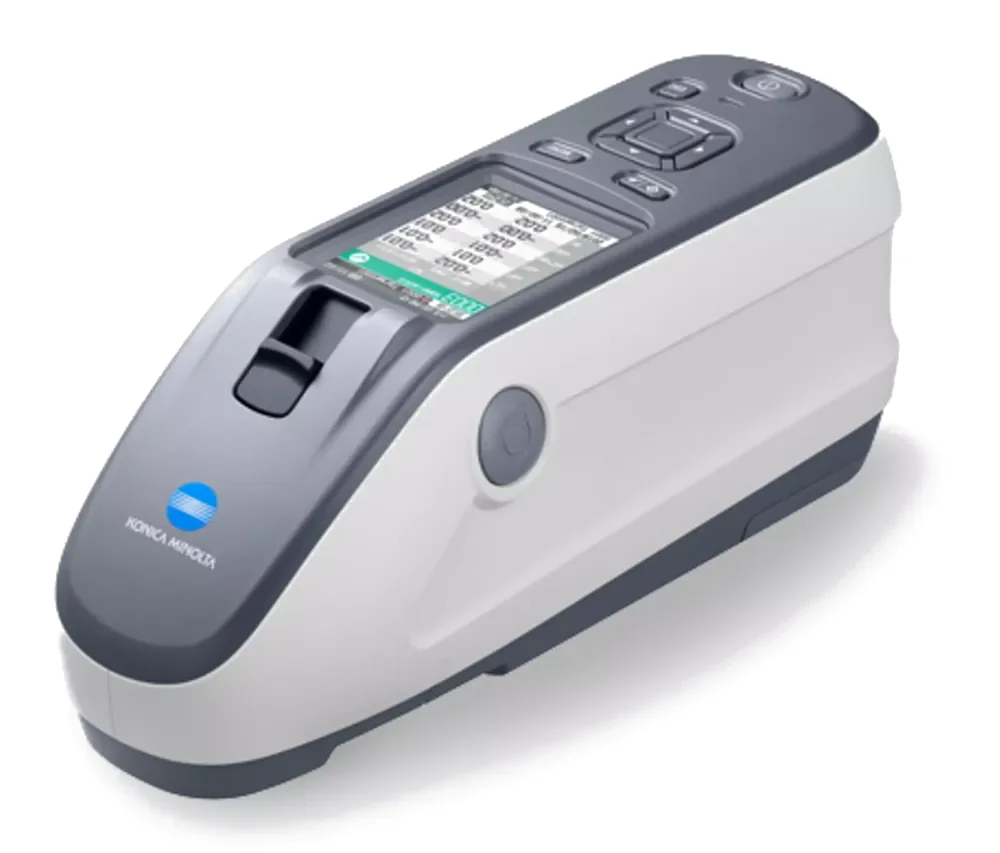
CM-26dG / CM-26d Portable Spectrophotometer
Portable spectrophotometer that captures color and 60° gloss in a single measurement and measures SCI and SCE simultaneously.
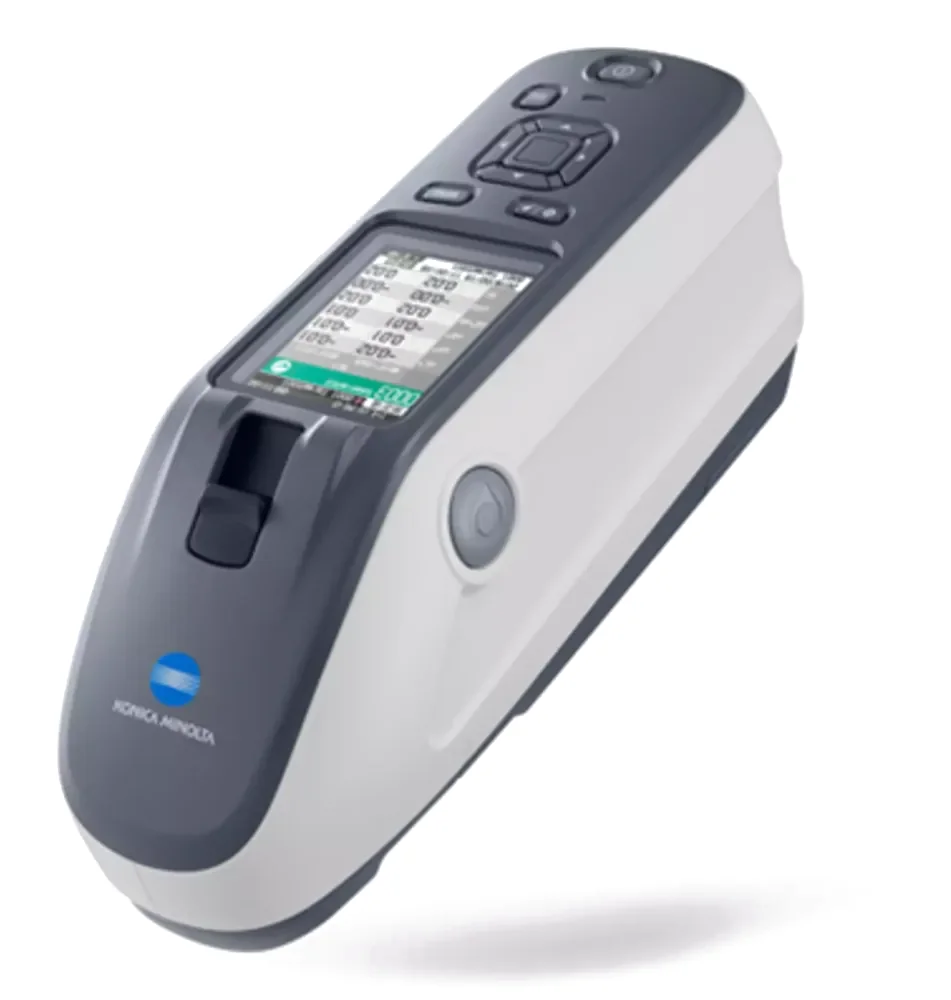
CM-25d Portable Spectrophotometer
Single-aperture portable spectrophotometer that measures SCI and SCE simultaneously and operates in the 400–700 nm range.
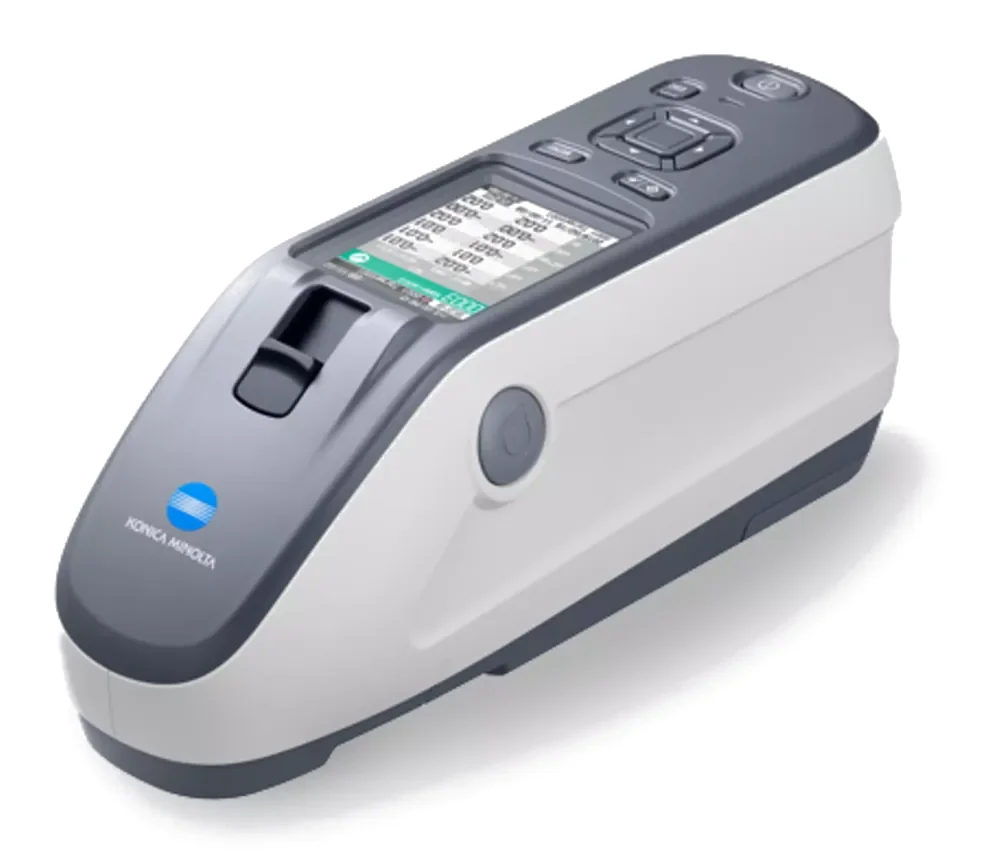
CM-23d Portable Spectrophotometer
Entry-level portable spectrophotometer that measures SCI and SCE values together for basic color quality control.
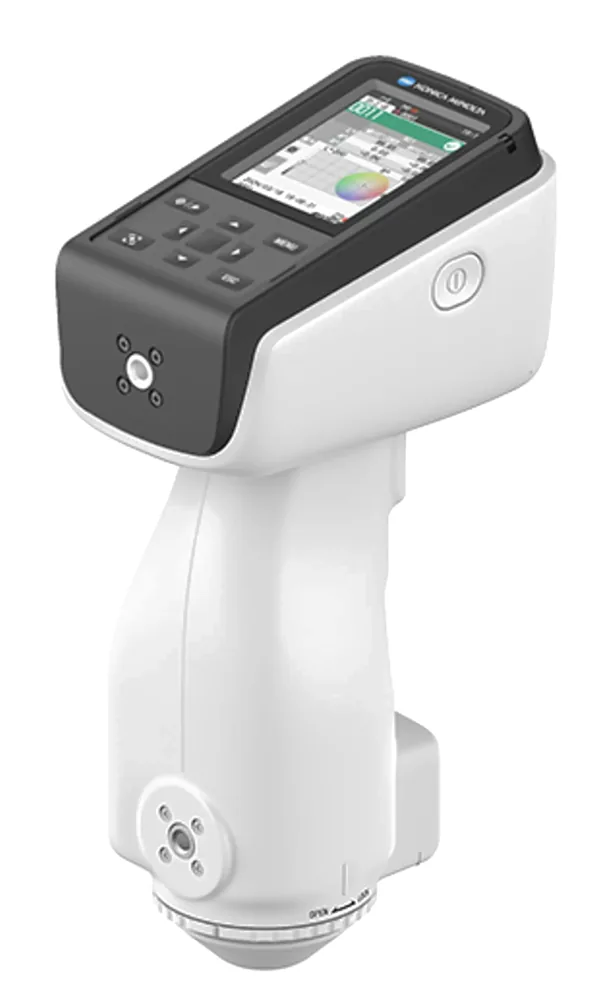
CM-17d / CM-16d Portable Spectrophotometer
Next-generation portable spectrophotometer with vertical body, camera viewfinder and interchangeable apertures.
Request a quote for this model
A suitable configuration and pricing are prepared based on sample type and workload.
Request a quote