

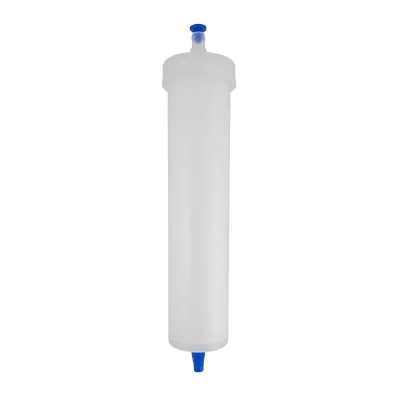
Advion Interchim Scientific
puriFlash BIO Peptide and Biomolecule Columns
puriFlash BIO peptide purification columns purify synthetic peptides and biomolecules at flash and preparative scale with wide-pore 100, 200 and 300 Å C18, C8 and C4 phases.
Request a quote| Pore size | 100, 200, 300 Å |
|---|---|
| Phases | C18-N, C18-T, C18-XS, C8-N, C4-AQ, RP-NH |
| Particle size | Flash 15 / 30 µm; preparative 5 / 10 / 15 µm |
| pH range | 1.5–8 (C18-XS: 1–10) |
| Formats | F0004–F1600; steel columns 4.6–60 mm |
Product description
Peptides and other biomolecules are much larger than small molecules. In a narrow-pore packing, the molecule cannot enter the pore, interacts only with the surface and the separation suffers. puriFlash BIO columns solve this problem with wide-pore packings: 100 Å pores for short and medium-length peptides, 200 Å for longer peptides and 300 Å for large peptides and small proteins.
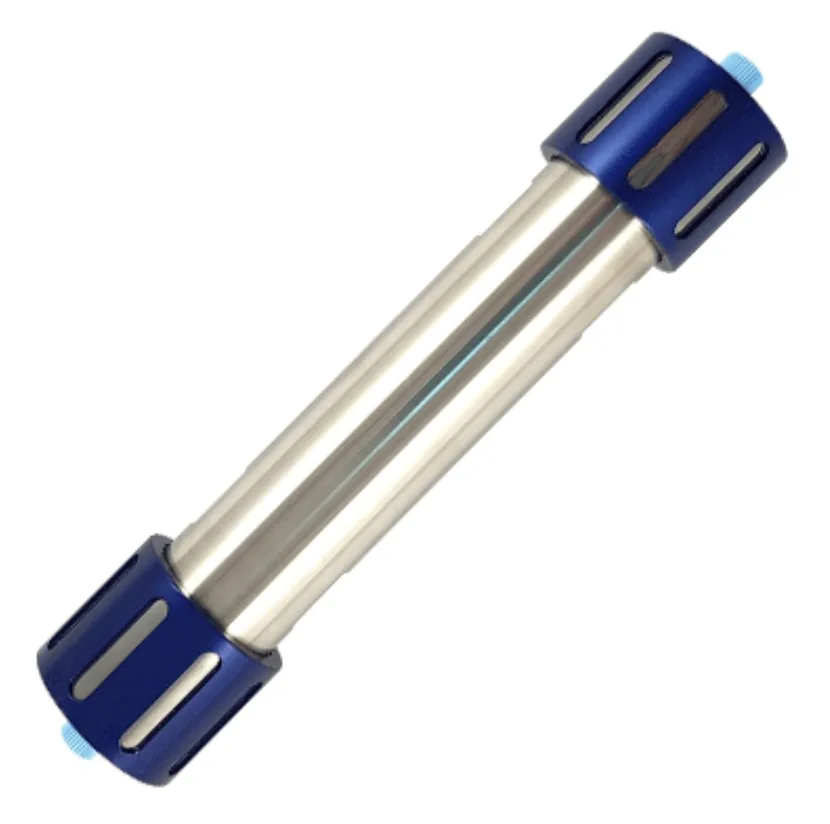
The series is offered both in flash formats (F0004–F1600) and in stainless steel preparative columns. This allows the crude purification of a peptide to be performed at flash scale and the final purification by preparative HPLC with the same phase chemistry.
Applications
- Purification of crude peptide after solid-phase peptide synthesis (SPPS)
- Gram-level preparation of peptide drug candidates at R&D scale
- Reversed phase purification of oligonucleotides and modified biomolecules
- Pre-purification step that reduces the load before preparative HPLC
Pre-purification at flash scale extends the life of the expensive preparative HPLC column and shortens the overall process time. With puriFlash systems, both steps can be carried out on the same instrument; details are available in the preparative HPLC systems section.
Peptide purification column phase selection
- BIO 100 C18-N / C18-T / C18-XS: 100 Å, 320 m²/g; short and medium-length peptides
- BIO 200 C18, C8-N, RP-NH: 200 Å; longer and hydrophobic peptides (C8-N: 200 m²/g)
- BIO 300 C4-AQ, RP-NH: 300 Å, 100 m²/g; large peptides and small proteins
- C18-XS: Methods operating under basic conditions, with a pH range of 1–10
Pore size, surface area and pH range are taken from Interchim catalogs and should be confirmed against the current data sheet for the phase and format to be ordered.
Instrument and consumables compatibility
The flash formats of BIO columns are used with flash chromatography systems such as the puriFlash 5.050 and puriFlash 5.020, while the steel preparative columns are used with high-pressure systems such as the puriFlash 5.250. Steel preparative versions of the same phases are listed on the preparative HPLC column page.
For peptide samples, the crude product is often dissolved in an aqueous-organic mixture containing trifluoroacetic acid. Removing particles before injection protects the column inlet; syringe filters can be used for this step.
In wide-pore phases, loading capacity differs from that of a narrow-pore column of the same size; therefore the first trial starts with a low load, which is then increased gradually. When planning the drying of collected peptide fractions, the acid additive in the mobile phase should also be taken into account.
Technical specifications
| BIO 100 | C18-N, C18-T, C18-XS; 100 Å, 320 m²/g |
|---|---|
| BIO 200 | C18-N, C18-T, C18-XS, C8-N, RP-NH; 200 Å |
| BIO 300 | C4-AQ, RP-NH; 300 Å, 100 m²/g |
| Particle size | Flash: 15 and 30 µm; preparative: 5, 10, 15 µm |
| pH range | 1.5–8; C18-XS 1–10 |
| Flash formats | F0004–F1600 |
| Preparative columns | Stainless steel, 4.6–60 mm internal diameter |
Values are taken from the manufacturer's published technical documentation. They may vary by configuration and are confirmed against the current datasheet before quotation.
Frequently asked questions
Which pore size should be selected for peptide purification?
As a general rule, 100 Å is preferred for peptides shorter than about 30 amino acids, 200 Å for longer and hydrophobic peptides, and 300 Å for large peptides and small proteins. The appropriate phase is determined based on the peptide sequence and molecular weight.
Can BIO columns also be used for small molecules?
They can; however, for small molecules, standard-pore phases of 100 Å and below offer higher surface area and loading capacity. The wide pore shows its real advantage with peptides and proteins.
What is the difference between flash and preparative BIO columns?
The phase chemistry is the same; flash columns operate at low pressure with 15 and 30 µm particles, while steel preparative columns operate at high pressure with 5–15 µm particles. Flash scale is used for pre-purification and preparative scale for final purification.
From the same category
puriFlash Columns and Consumables
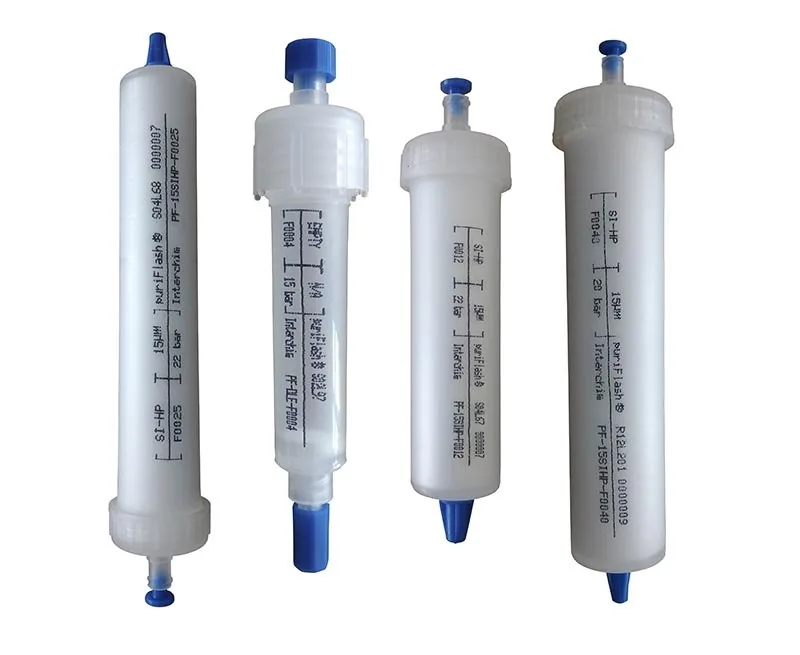
Flash columns in more than 35 selectivities, dry-load cartridges and injection consumables.
puriFlash Silica Flash Columns
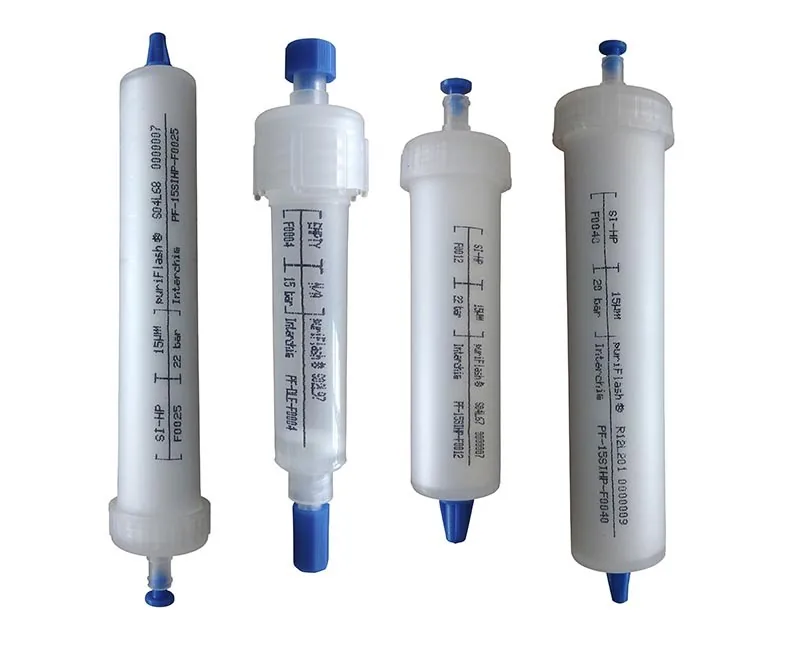
Prepacked flash columns with SI-HP, SI-HC and standard silica packing, from 4 g to 1.6 kg; compatible with any flash system.
puriFlash Reversed Phase and Functionalized Flash Columns
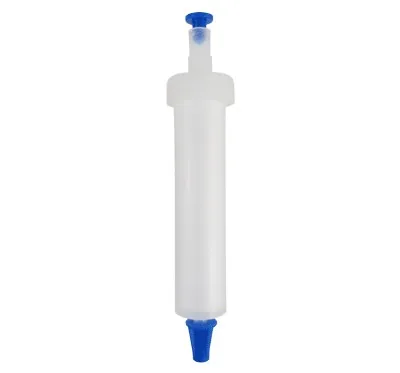
Prepacked flash columns in C18, CN, NH2, Diol, ion exchange, polymer and chiral phases; for polar and difficult separations.
Preparative HPLC Columns (puriFlash PREP and Uptisphere)
Stainless steel preparative HPLC columns with 5, 10 and 15 µm packing, from 4.6 mm to 60 mm internal diameter, plus high-pressure dry-load.
Request a quote for this model
A suitable configuration and pricing are prepared based on sample type and workload.
Request a quote